


I enjoy making tiny clay figures because a few small details can give each one its own personality.
For this collection, I’ve gathered mini animals with expressive faces, from curious little looks to sleepy smiles.
I like how simple shapes and small touches of color can make these figures feel distinct.
You’ll find plenty of ideas here to inspire your own collection of miniature clay animals.
Sleepy Tabby Cat Clay Figurine
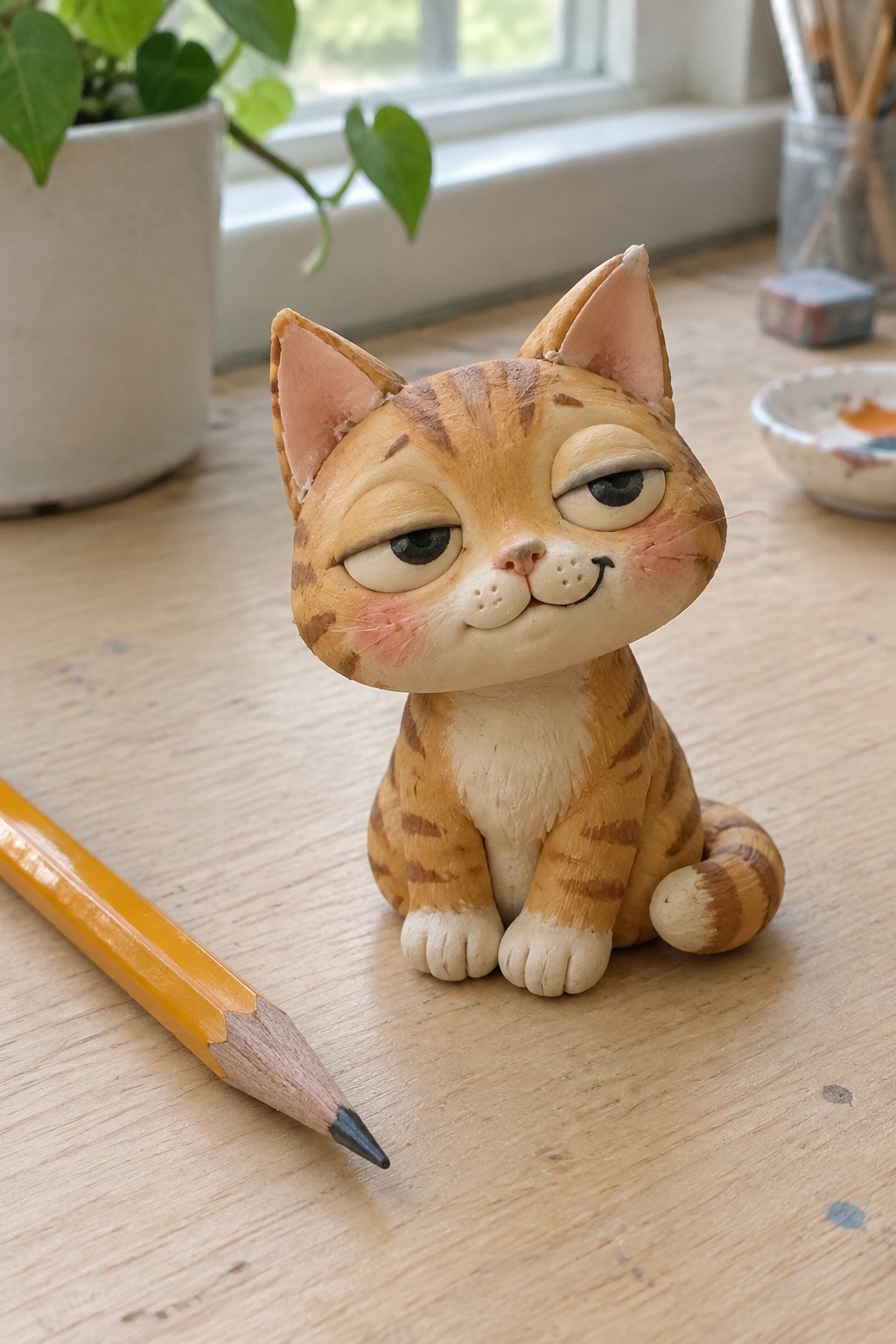
This hand-sculpted cat figurine uses a rounded body, upright ears, curled tail, and half-lidded eyes to create an expressive miniature animal sculpture. Its warm orange-and-cream coloring, painted stripes, and small facial details make the relaxed expression easy to read without adding extra accessories.
The head shape and sleepy eyes are the main features to carry into your own version, while the markings can be simplified to a few stripes or changed to spots, patches, or a different coat color. Make the cat larger as a display figurine or smaller as a collectible miniature, adjusting the face details to suit the scale.
Spiky Hedgehog Clay Figurine

A hand-sculpted hedgehog figurine gets its recognizable shape from a rounded body covered in pointed spines, with a smooth face, large eyes, and a small painted nose and mouth. The contrast between the pale face and brown, dark-tipped spines makes this miniature animal sculpture easy to read despite its small scale.
The pointed spines give the design its defining detail, so you could simplify the face while keeping a few rows of sculpted points to preserve the hedgehog shape. Try different brown and gray tones or make a family of figures in varied sizes; each can stand alone as a small decorative collectible or serve as inspiration for other spiky clay animals.
Sleeping Fox Clay Charm

This hand-sculpted clay fox charm uses a curled, rounded body and a tucked tail to create a compact sleeping-animal silhouette. Cream patches, dark ear tips, closed eyes, and small cheek marks give the miniature its expression, while the orange-brown color blocks keep the design easy to read.
The curled shape helps make the fox recognizable even at a small scale, and you could simplify the face to a few painted or sculpted marks for an easier version. Try different fur colors or adapt the same pose into a hanging ornament or another small animal charm.
Penguin Clay Figurine With an Expressive Face

A hand-sculpted penguin figurine uses a rounded body, dark wings, a white face and belly, and small orange feet and beak to create a clear animal shape. Its raised brows and uneven smile give the painted facial details an expressive look, making this a decorative miniature sculpture rather than a functional object.
The rounded body makes the design easy to adapt into a family of penguins in different sizes, with changes to the expression, belly markings, or beak color giving each one a distinct look. For a simpler version, keep the body and face shapes basic and use just a few painted details; the finished figurine could also make a playful handmade gift or part of a small animal collection.
Blue Elephant Clay Figurine With a Raised Trunk
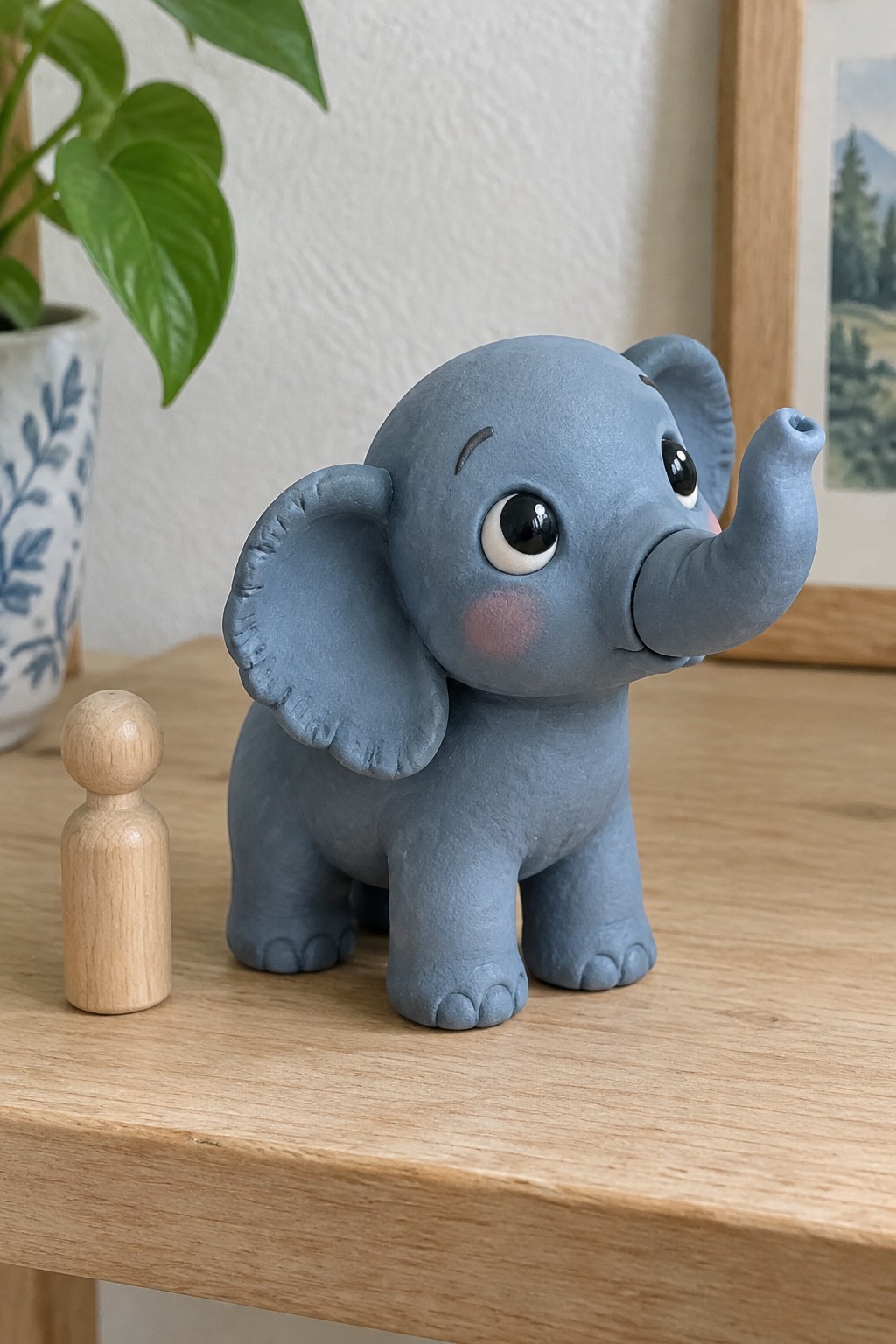
This hand-sculpted elephant figurine uses a rounded body, oversized ears, wide eyes, and a raised trunk to create an expressive animal sculpture. Its muted blue color, pink cheeks, and small toe details give the miniature a clear character without relying on complicated patterns.
The trunk and large ears make the shape easy to recognize, so you could keep those features and simplify the face for a more manageable version. Try other colors or add small painted markings, then make a set of elephants in different sizes or poses for a decorative collection or handmade gift.
Droopy-Eared Clay Bunny Figurine

A seated bunny figurine gets its expressive look from its bowed head, long drooping ears, and small painted eyes and freckles. Rounded, hand-sculpted forms and muted gray accents keep the miniature animal recognizable while giving its face a clear, slightly bashful expression.
The simple body shape gives you room to adapt the idea with shorter ears, different markings, or another soft color palette, while keeping the painted face as the focal point. Make it larger as a small shelf decoration or keep it miniature for a collection of expressive clay animals; a beginner-friendly version can use simpler paws and fewer facial details.
Wide-Eyed Pink Octopus Clay Figurine
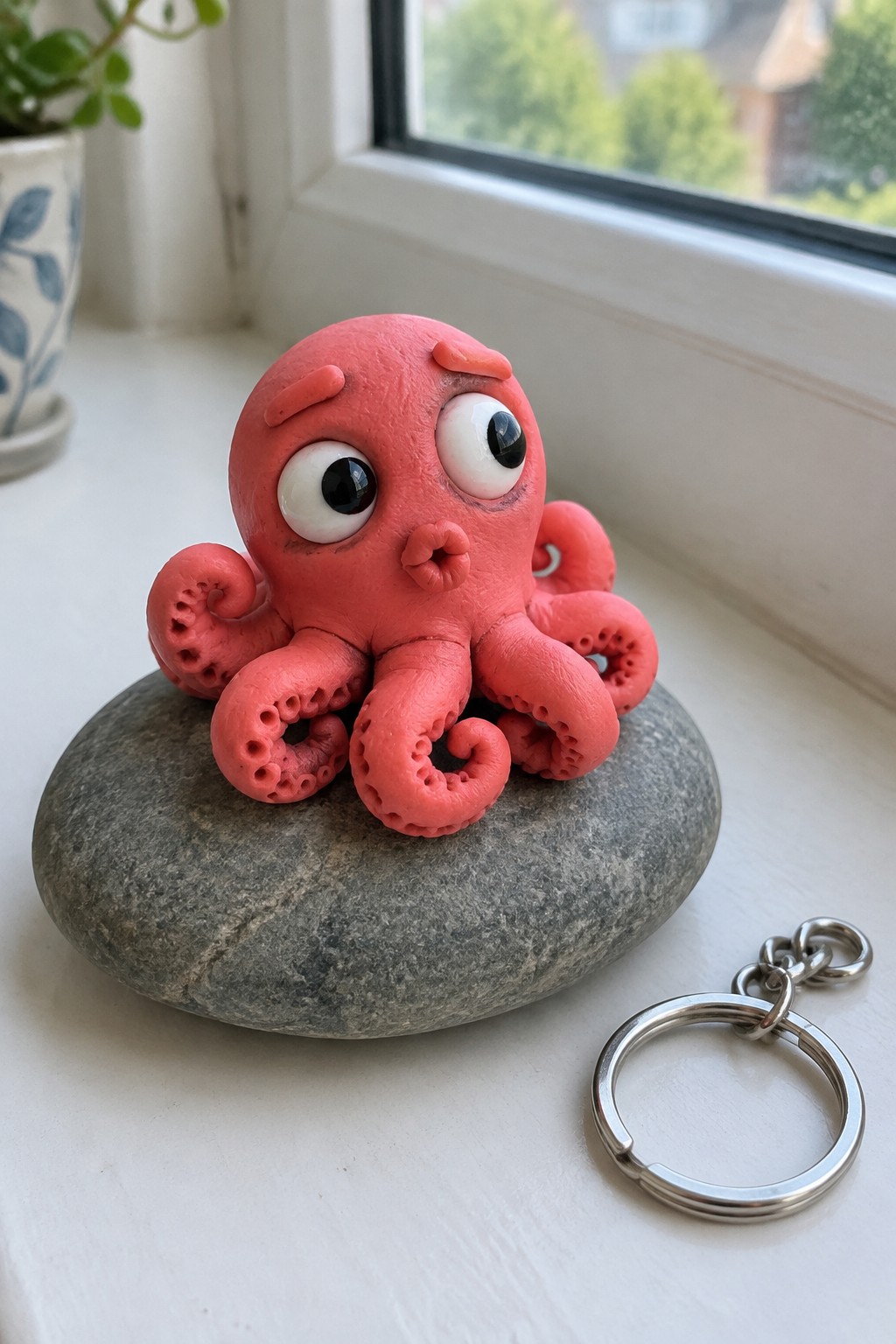
A hand-sculpted octopus figurine uses a rounded pink body, oversized eyes, and curling tentacles to create an expressive miniature animal craft. Raised brows and a small puckered mouth give the face a clear focal point, while the tentacle suckers add texture and help define the shape.
The face and curled tentacles make this design recognizable even at a small scale, so it could be adapted as a desk figurine or made larger for display. For a simpler version, use fewer tentacle details and keep the eyes and mouth as the main features; changing the body color or adding small spots would create easy variations.
Curled-Up Sleeping Fox Clay Wall Decoration

A hand-sculpted fox head curls around its body to create a small, dimensional wall decoration with a clear animal silhouette. Rust-orange and cream sections define the fur, while the closed eyes, nose, and whisker spots give the face a simple, expressive look.
The curved body shape makes this design recognizable without needing many fine details, so it could be adapted into a smaller figurine or a hanging ornament. For a simpler version, keep the rounded fox shape and painted face, then change the fur colors or add markings to make a different animal.
Masked Raccoon Clay Figurine
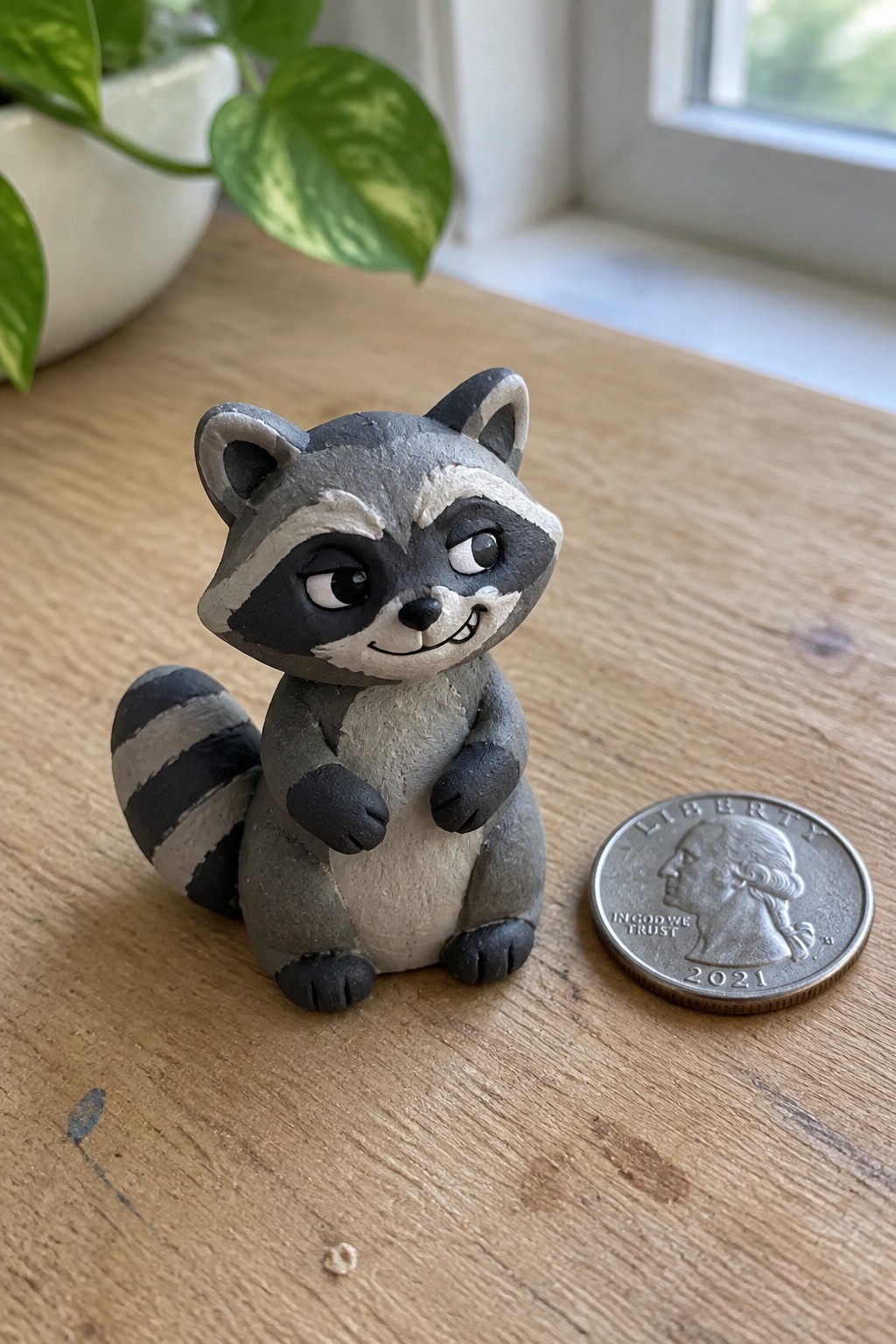
A hand-sculpted raccoon figurine uses a rounded upright body, a banded tail, and painted dark eye patches to make its animal features easy to recognize at miniature scale. The contrasting gray, cream, and charcoal colors keep the face clear, while the large eyes and curved smile give the decorative animal sculpture an expressive look.
The rounded body and simple color blocks make the design adaptable: you could change the facial expression, tail stripes, or colors to create a fox, cat, or other small animal. Keep the details minimal for a simpler version, or make several figures with different poses and faces for a small collectible set.
Smiling Tortoise Clay Figurine
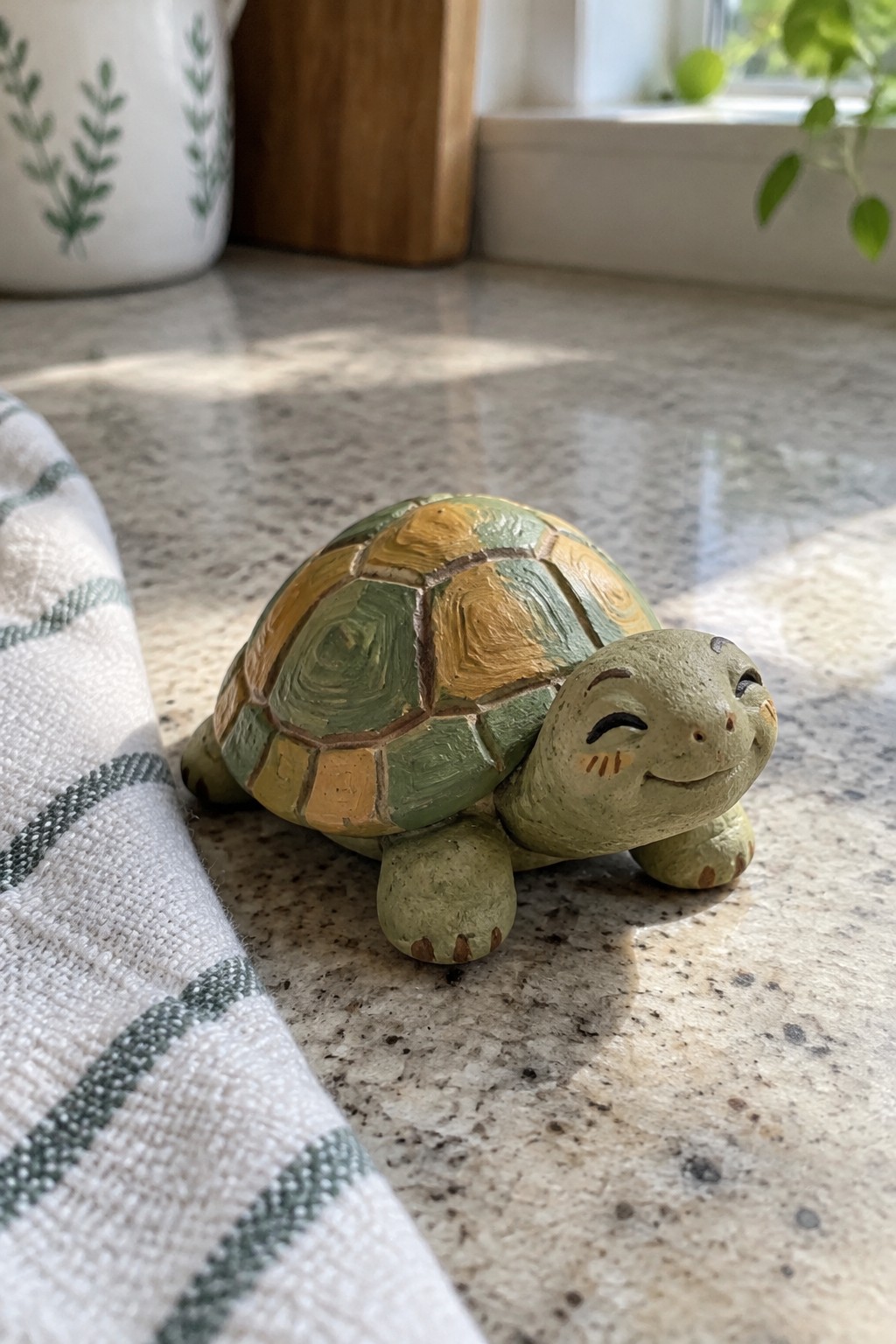
A hand-sculpted tortoise figurine uses a rounded, segmented shell and four sturdy legs to make its animal shape easy to recognize. Muted green and ochre colors, painted shell patterns, and a face with closed, curved eyes give this miniature sculpture a distinct expression.
The shell’s separate color blocks make the design easy to adapt with different patterns or a brighter palette, while the face can be simplified to a few painted lines for a less detailed version. Try the same concept at different sizes or change the expression to create a small collection of decorative animal figures.
Sloth Hugging a Branch Clay Figurine
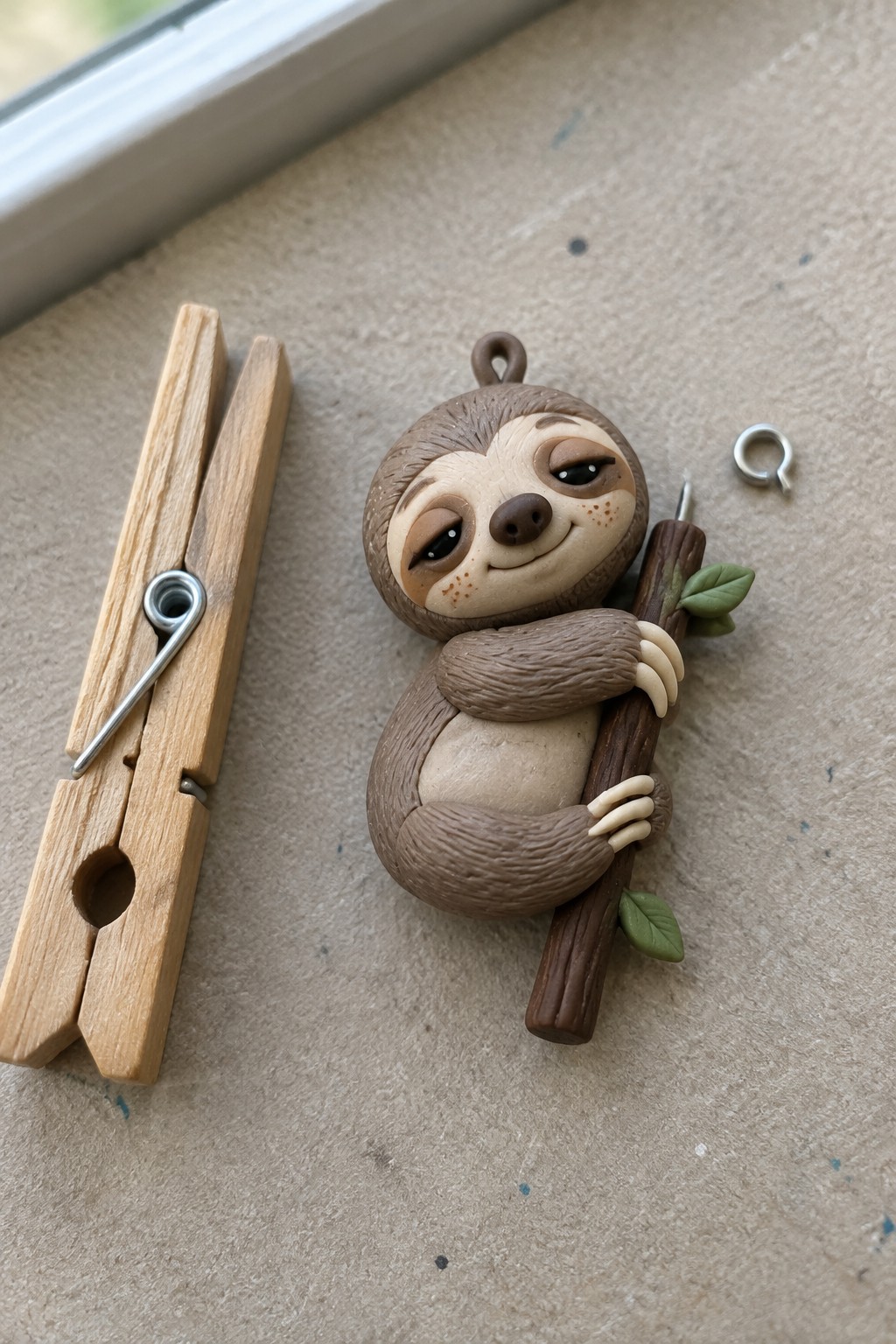
A hand-sculpted sloth clinging to a leafy branch makes a small animal figurine with a clear, expressive pose. Its rounded body, sleepy eyes, freckled face, textured brown fur, and cream-colored claws give the miniature sculpture definition without relying on a complicated background.
The branch gives the sloth a strong shape to hold and makes the pose easy to adapt into a hanging ornament by adding a loop. For a simpler version, use fewer fur marks and leaves, or change the branch and colors to create another animal climbing a stem or twig.
Three Gray Mouse Clay Figurines

These miniature hand-sculpted mice use rounded bodies, pink inner ears, and painted whiskers and facial features to give each figure a distinct expression. Their small differences in pose, including one with closed eyes, make them feel like a coordinated set of decorative animal sculptures rather than identical copies.
The repeated shape makes the idea easy to adapt: vary the ear size, tail curve, or face to create different mice, or change the colors for another animal set. A simpler version could use basic rounded forms and just a few painted details, while the trio format makes the finished figures a nice small gift or collectible display.
Blue Whale Clay Figurine With a Spout

This miniature whale figurine has a rounded navy body, a pale belly, a smiling face, and a small blue spout on its head. Its simple sculpted shapes and contrasting colors make the expressive face stand out, while the raised tail and fins give it a recognizable whale silhouette.
The rounded body keeps the design approachable to adapt: a simpler version could use basic shapes and just one painted eye and smile. Try different body and belly colors, or vary the spout and tail details to make a small series of whale figurines for display or gifting.
Round Yellow Chick Clay Figurine

A rounded yellow chick makes a simple, expressive clay animal figurine, with small sculpted wings, an orange beak, painted cheeks, and oversized eyes. The slightly uneven handmade contours and contrasting facial details give the miniature sculpture a clear character without adding many parts.
The large eyes and bright colors make the face easy to adapt: try different pupil positions or cheek colors to change its expression, or add a small crest or patterned wings. A beginner-friendly version could use a plain rounded body and just a beak and two eyes, while several size or color variations could make a playful set of decorative animal figures.
Seated Panda Clay Figurine
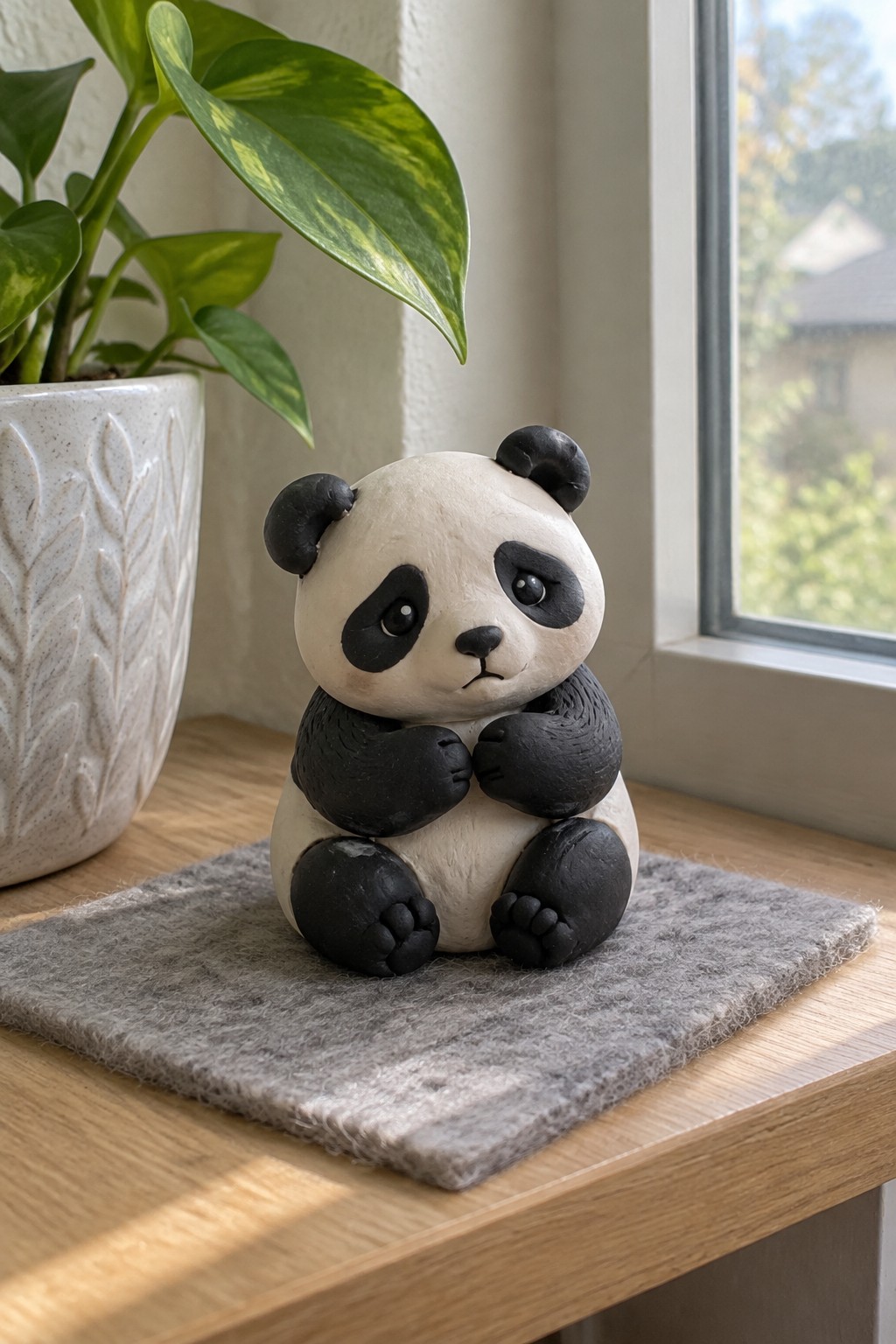
A seated panda is a hand-sculpted clay animal figurine built from simple rounded forms, with black patches around the eyes, dark ears and paws, and a small nose and mouth. The strong black-and-cream contrast makes its expressive face easy to read, while the tucked paws and seated pose give the miniature sculpture a clear silhouette.
The rounded shapes offer a useful starting point for making a similar figure, and the face can be simplified to basic eye patches, a nose, and a few short lines. Try different expressions or add small details such as colored paw pads, then make the panda in a size that suits a shelf display or a collection of clay animals.
Squirrel Holding an Acorn Clay Figurine

A hand-sculpted clay squirrel figurine gets its expressive look from arched brows, wide eyes, buck teeth, and a large textured tail. Its warm brown color and small acorn accessory make this miniature animal sculpture easy to recognize without adding complicated painted patterns.
The tail’s ridges and the acorn’s cap give you a few details to focus on, while the body can stay rounded and simple. For an easier version, use fewer fur marks and simpler facial features; you could also change the squirrel’s colors or swap the acorn for a tiny mushroom or leaf to make a small collection of decorative animal figures.
Blushing Koala Clay Brooch

This hand-sculpted koala face is a small clay animal accessory, with rounded ears, layered pale inner-ear details, a raised nose, and painted eyes and cheeks. Its gray-and-cream palette keeps the face easy to read, while the handmade contours give the miniature brooch a distinct, expressive look.
The simple face shape makes the design easy to adapt: change the colors, ear details, or expression to create other animal brooches, such as a bear or cat. You could also make the koala slightly larger as a decorative clay figure, or simplify the layered ears and painted features for a smaller version.
Blushing Pink Pig Clay Figurine
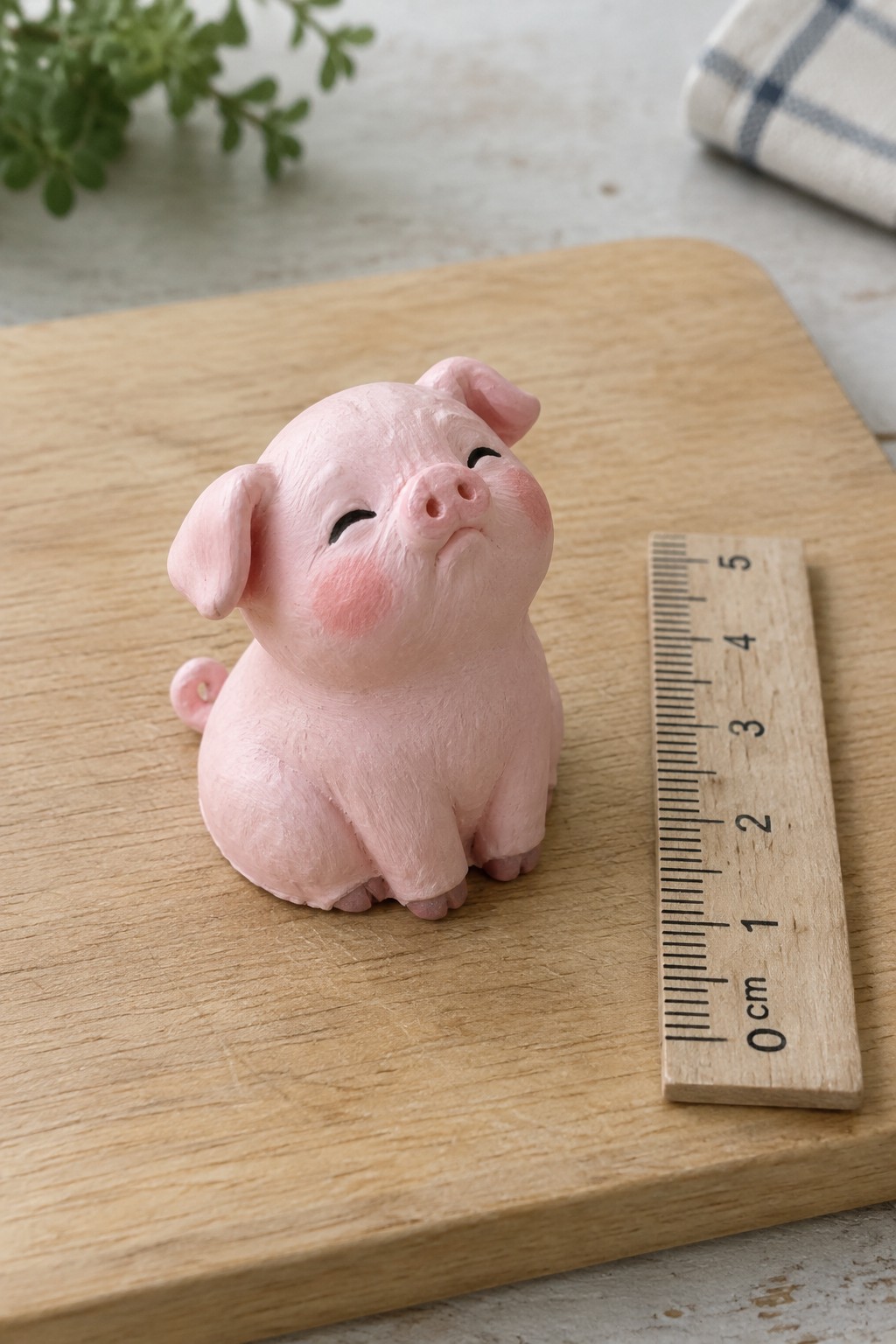
A seated miniature pig figurine gets its expressive look from its rounded body, raised snout, closed eyes, and soft pink cheeks. Small sculpted ears, feet, and a curled tail complete the hand-shaped animal craft, while the black eye details stand out against the pale pink finish.
The simple overall shape gives you room to adjust the expression without losing the pig’s recognizable features. Try different cheek colors or ear positions, or make a smaller version as part of a set of expressive animal miniatures; beginners can focus on the rounded body and snout before adding the smaller details.
Wide-Eyed Owl Clay Figurine

A hand-sculpted owl figurine uses a rounded body, layered feather shapes, and large, expressive eyes to make a miniature animal sculpture easy to recognize. Warm ochre and brown tones give the feathers and wings definition, while the curved brows and small beak bring attention to the owl’s face.
The feather details make the design memorable, but you could simplify them into a few larger shapes while keeping the big eyes and brow outline as the main features. Try different brown, cream, or gray combinations, or change the branch perch to suit a small display; making the owl in several sizes could also create a coordinated set of decorative animal figures.
Smiling Frog on a Lily Pad

This hand-sculpted clay frog figurine sits on a flat lily pad, with a cream-colored belly and muzzle that stand out against its green body. Its raised eyes, open smile, and individually shaped toes give the miniature animal craft an expressive face without relying on complicated decoration.
The rounded body and simple color blocking offer a useful starting point for making variations, such as changing the frog’s expression or adding spots and a different lily pad shape. A beginner could simplify the eyes and toes, while keeping the broad smile as the main feature; the finished frog is best suited as a small decorative sculpture or handmade gift.
Fluffy Llama Clay Figurine

This hand-sculpted clay llama figurine uses layered cream and warm tan shapes to create a textured fleece, with a flower-like tuft and an expressive winking face. Its upright ears, rounded body, and small hooves make it a miniature animal sculpture focused on a clear silhouette and carefully placed details.
The overlapping fleece shapes give the design visual texture, while the simple face keeps it recognizable; a simplified version could use fewer body pieces and just one expressive eye detail. Try changing the fleece colors or adding a small bow or flower, and make the llama larger as a desk decoration or smaller as a collectible figure.
Spotted Whale Shark Clay Figurine

A hand-sculpted whale shark figurine turns the animal’s broad, flattened head and tapering body into a small decorative sculpture. Its slate-blue coloring, pale spots, and simple smiling face make the shark recognizable while keeping the features clear and approachable.
The spotted pattern is the main detail to adapt: you could vary the spot size and spacing, or choose a different blue-gray shade while keeping the rounded silhouette. A simpler version could use fewer painted spots and basic fin shapes, while making several in different sizes would create a small collection of animal figurines.
Smiling Flying Squirrel Clay Figurine

A hand-sculpted flying squirrel figurine uses a seated body, oversized eyes, and pale mint wings to give the animal a clear, expressive shape. Its curled tail forms a rounded base, while the cream belly and pink cheek details add contrast to the muted brown coloring. The result is a small decorative animal sculpture with a playful flying-squirrel concept.
The wing shape makes this design easy to adapt into a bat or other gliding animal, and the facial features can be simplified to suit a smaller version. Try different wing colors or tail patterns to make a set of distinct miniature figures, or keep this version as a standalone collectible. The raised details and clear silhouette also make it a memorable idea to save for an animal-figure project.
Frequently Asked Questions
They’re small, handmade or hand-shaped animal sculptures crafted from clay, with facial details that give each one a distinct personality. A raised eyebrow, a tiny smile, or wide eyes can make a miniature cat, frog, bird, or other creature look curious, cheerful, shy, or surprised. The 23 examples in a collection like this can offer plenty of inspiration for crafts, gifts, or display pieces.
Polymer clay is a popular choice because it stays workable until baked in a home oven, making it easier to add tiny facial details. Air-dry clay is another good option, especially for simple projects that do not require baking, though it may be more fragile once dry. Check the clay’s instructions before using it, and avoid putting air-dry clay in an oven unless its packaging specifically says it is safe.
Start with the basic face shape, then add features gradually using a toothpick, sculpting tool, or small piece of clay. Position the eyes, brows, nose, and mouth close together and adjust them before the clay sets or hardens. Small changes matter: angled brows can suggest surprise, while a curved mouth can make a character appear happy or sleepy. For consistency, sketch the expression first or use a reference image.
Make delicate parts, such as ears, tails, and legs, thick enough to support their own weight, and attach them firmly to the body. Smooth joins gently with a tool or a little water if the clay’s instructions allow it. Follow the product’s baking or drying directions carefully, since rushing this step can weaken a figure. Once finished, store the miniatures in a padded container and handle them by the body rather than by small protruding details.
They can decorate a desk, shelf, dollhouse, or craft display, and they also make thoughtful handmade gifts. Some people turn them into charms, magnets, or ornaments, but attachments should be secured with materials suitable for the clay and intended use. If the figures are small, keep them away from young children and pets, as miniature pieces can be a choking hazard.
