


I enjoy seeing how a few careful details can make a tiny clay version of a familiar food look surprisingly lifelike.
These polymer clay miniatures are fun to browse for ideas, whether you’re drawn to little pastries, colorful fruit, or savory bites.
I’ve gathered 21 designs with different shapes, colors, and details to spark your next miniature-making project.
Take a look through the collection and see which tiny treat catches your eye.
Miniature Strawberry Cream Tart

This hand-sculpted clay miniature recreates a small tart topped with three red strawberries, green leaves, and pale cream. Its fluted golden crust and contrasting fruit make the tiny dessert recognizable at a glance, fitting neatly into realistic miniature food sculpture.
The strawberry shapes and tart shell give the design clear details to adapt, whether you make a single miniature or vary the fruit and filling across a set. A simpler version could use fewer strawberries and less leaf detail, while the finished piece could be displayed as a collectible or adapted into a small decorative charm.
Pastel Miniature Polymer Clay Macarons
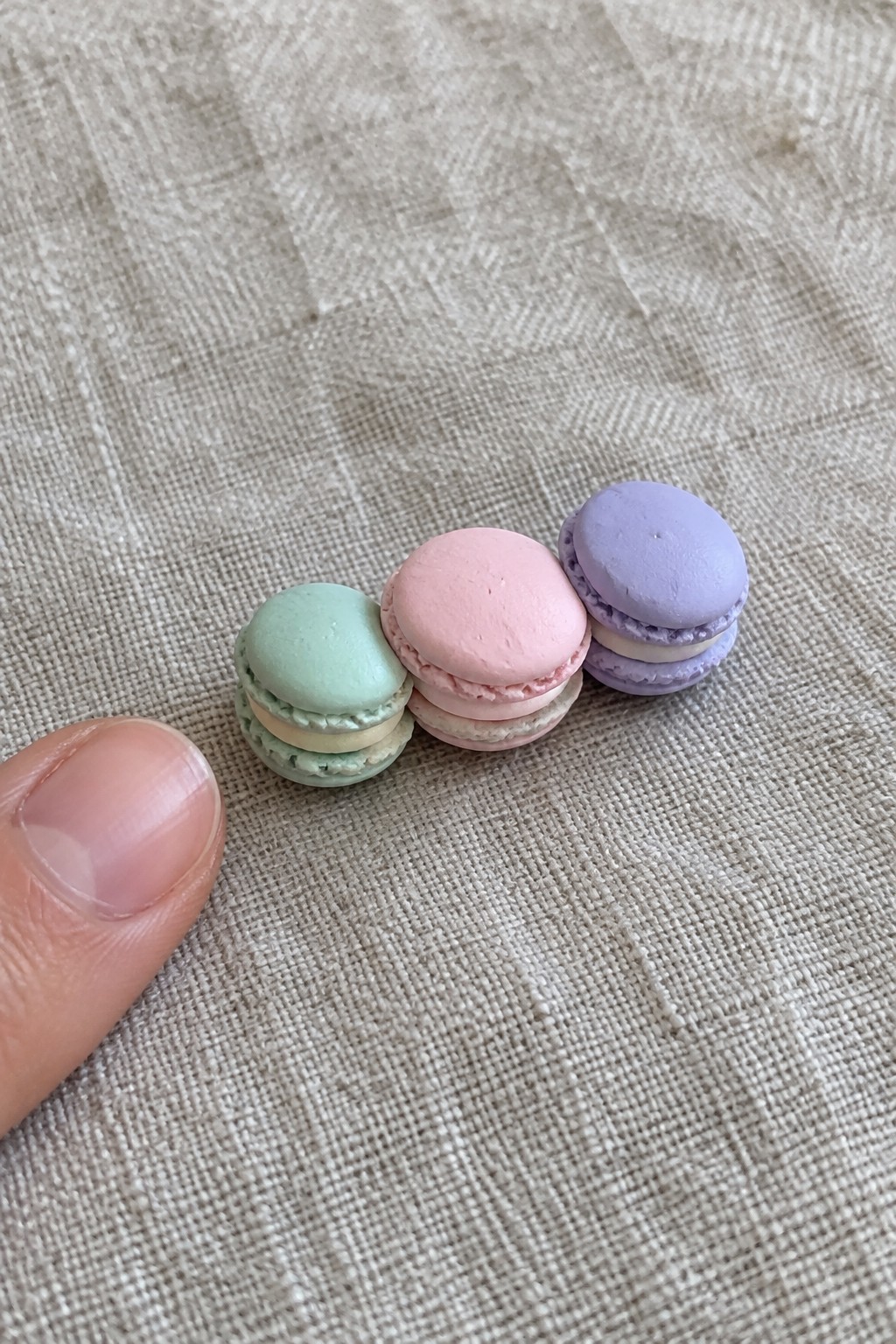
These miniature polymer clay macarons are sculpted food replicas, with rounded shells in mint green, pink, and lavender and small textured-looking edges around the fillings. Their stacked, sandwich-like form and soft color palette make them recognizable at a tiny scale, fitting neatly into miniature sculpture or a decorative collectible set.
The three-color combination makes the set easy to customize with other macaron shades or contrasting fillings, and the repeated shape helps keep the design cohesive. You could simplify the details by making smooth shells and a narrow filling layer, or scale the macarons down for a miniature display or decorative charm.
Miniature Polymer Clay Sushi Nigiri

These miniature polymer clay sushi pieces recreate nigiri with sculpted rice bases and separate salmon, tuna, and shrimp toppings. The contrast between the textured white rice and the smooth, curved seafood shapes makes the tiny food replicas easy to recognize as collectible miniature sculptures.
The rice can be shaped from small individual pieces, while the toppings offer room to vary the colors and contours for different sushi varieties. Make a simpler set with fewer rice details, or keep the three-piece arrangement as a small display or gift for someone who collects miniature food.
Miniature Polymer Clay Croissant

A miniature croissant sculpted from polymer clay is a realistic food replica, with curved ends and layered folds that make the pastry recognizable at a small scale. The warm golden-brown color and uneven handmade contours give this miniature sculpture the look of a baked croissant without adding unnecessary decoration.
The layered shape is the main detail to focus on, so a simpler version can use a curved base and a few broad folds instead of shaping every ridge. Try lighter or darker browns to vary the baked finish, or make several sizes for a miniature bakery display, a collectible, or a charm.
Miniature Polymer Clay Cheeseburger

A miniature cheeseburger is a hand-sculpted polymer clay food replica built from stacked buns, a patty, cheese, and lettuce, with a tiny red flag adding a playful finishing detail. The rounded layers and contrasting colors make the familiar fast-food shape easy to recognize at a very small scale, fitting naturally into miniature sculpture and collectible food art.
The separate layers give the design plenty of room for variation: change the lettuce shape, add a tomato slice, or use a different flag color to create another version. A simpler take could use fewer toppings and larger, less detailed pieces, while the finished miniature could be displayed with other tiny foods or adapted into a small charm.
Miniature Polymer Clay Doughnuts

These miniature doughnuts are polymer clay food replicas, each shaped as a small ring with a different topping: chocolate icing, pink frosting with colorful sprinkles, sugar, or a pale glaze. Their uneven handmade contours and contrasting toppings give the set the recognizable variety of a bakery assortment while keeping the scale clearly miniature.
The different finishes make the idea easy to adapt into a matching set, with other icing colors, sprinkle patterns, or doughnut shapes. You could simplify the decorations by making a single topping style, or turn the miniatures into charms or display pieces by adjusting their size and adding an attachment where appropriate.
Miniature Polymer Clay Pepperoni Pizza Slice

A tiny pepperoni pizza slice is a polymer clay miniature sculpture that turns a familiar food into a detailed collectible. Its triangular shape, golden crust, red sauce, cheese, round pepperoni pieces, and small green basil leaves make the design easy to recognize at a small scale.
The stacked toppings create clear detail without needing a complicated overall shape, so you could simplify the slice by using fewer pepperoni rounds and basil leaves. Try different topping colors or make several slices with varied designs for a miniature food collection, display, or charm.
Miniature Polymer Clay Udon Bowl

A miniature polymer clay noodle bowl recreates a serving of udon with thick, curled noodles, green onion slices, a halved egg, and amber-colored broth. The handmade details and restrained food colors make this small sculpted food replica easy to recognize as a complete bowl of noodles.
The contrast between the pale noodles and green toppings keeps the tiny details readable, while the egg gives the bowl a clear focal point. You could simplify the design by using fewer noodle loops and toppings, or adapt it with different garnishes to make a miniature ramen or soba bowl.
Pastel Polymer Clay Ice Cream Cone

This miniature polymer clay food replica is a tiny waffle cone topped with rounded scoops of mint-green and pink ice cream. The contrast between the cone’s crosshatched texture and the softly sculpted scoops makes the small sculpture easy to recognize as a classic two-flavor treat.
The stacked scoops give the design a clear shape that can be adapted with other pastel colors, extra scoops, or small details such as sprinkles. A simpler version could use one scoop and a less detailed cone, while a finished miniature could be displayed as part of a polymer clay food collection or adapted into a small charm.
Miniature Polymer Clay Tacos

These miniature polymer clay tacos recreate a familiar food with small sculpted pieces arranged inside folded golden shells. Brown filling, green lettuce, yellow toppings, and red accents make each tiny taco easy to recognize, while the different sizes give the set a varied look. They fit well as collectible miniature food sculptures.
The layered toppings make the design memorable, and you could simplify them by using just a few larger pieces of clay for the filling and vegetables. Try changing the toppings or shell colors, or make one taco as a small charm and keep a group together as a miniature display.
Miniature Pink-Frosted Cupcake With a Cherry

This miniature polymer clay cupcake pairs a ridged tan cup with a tall swirl of pink frosting and a small cherry on top. The layered sculpted shapes and contrasting colors make it read clearly as a tiny dessert, fitting neatly into a collection of miniature food sculptures.
The frosting swirl is the main detail to focus on, while the cupcake base and cherry can stay simple. Try other frosting colors or swap the cherry for a tiny berry or candy detail; the finished miniature could be displayed with other clay desserts or adapted into a small decorative charm.
Miniature Polymer Clay Chocolate Bonbons
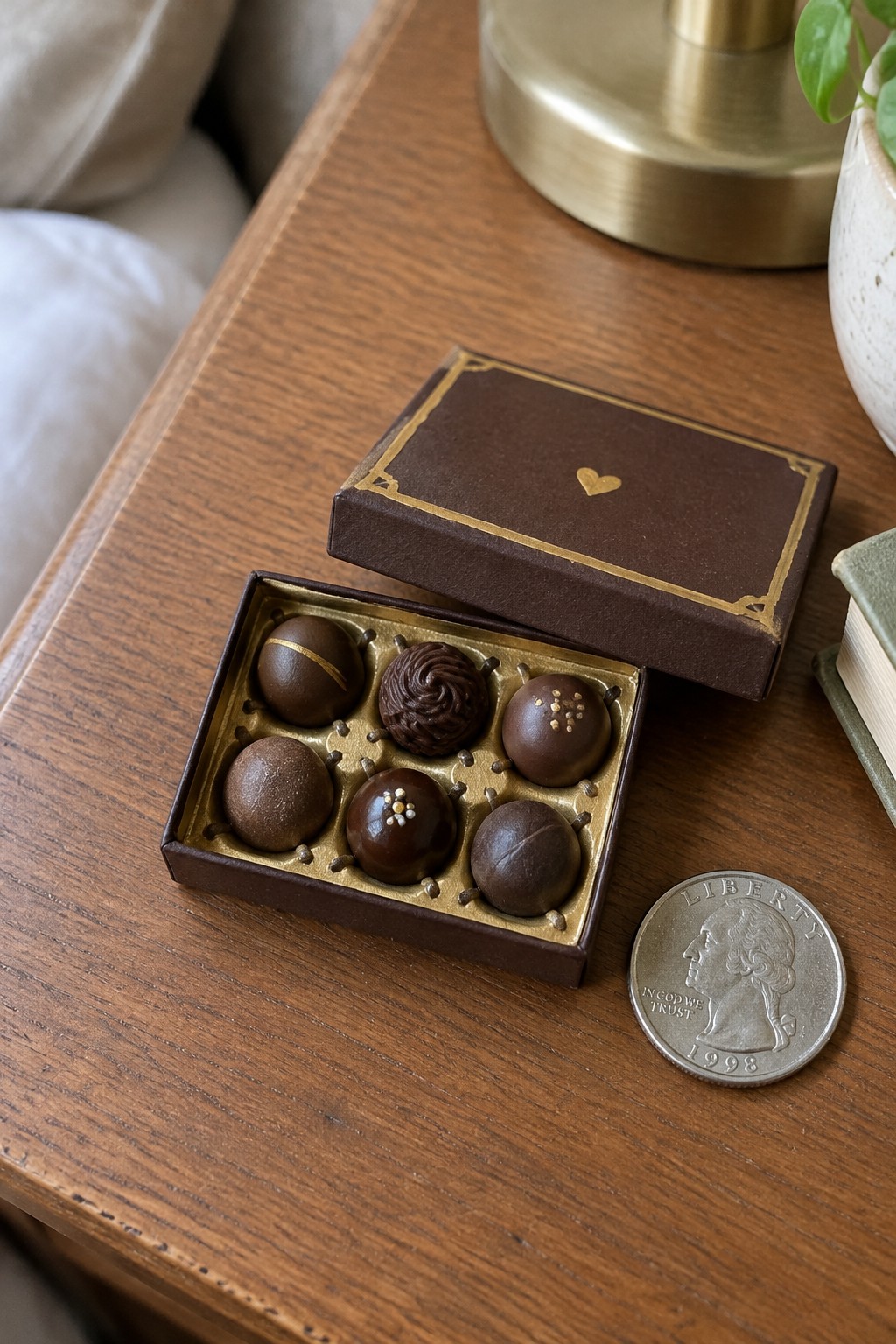
A miniature box of polymer clay chocolate bonbons recreates a set of assorted chocolates, with rounded pieces, varied toppings, and a fitted tray that makes the collection read like a tiny confectionery gift. The brown tones and small gold-colored accents distinguish each chocolate, while the decorated box adds to the miniature food replica concept.
The assortment is memorable because each bonbon can have a different simple detail, such as a stripe, piped swirl, or scattered dots. You could make fewer pieces for an easier project, change the chocolate colors and toppings, or arrange them in a different small box to create a miniature gift set or display.
Miniature Polymer Clay Avocado Toast
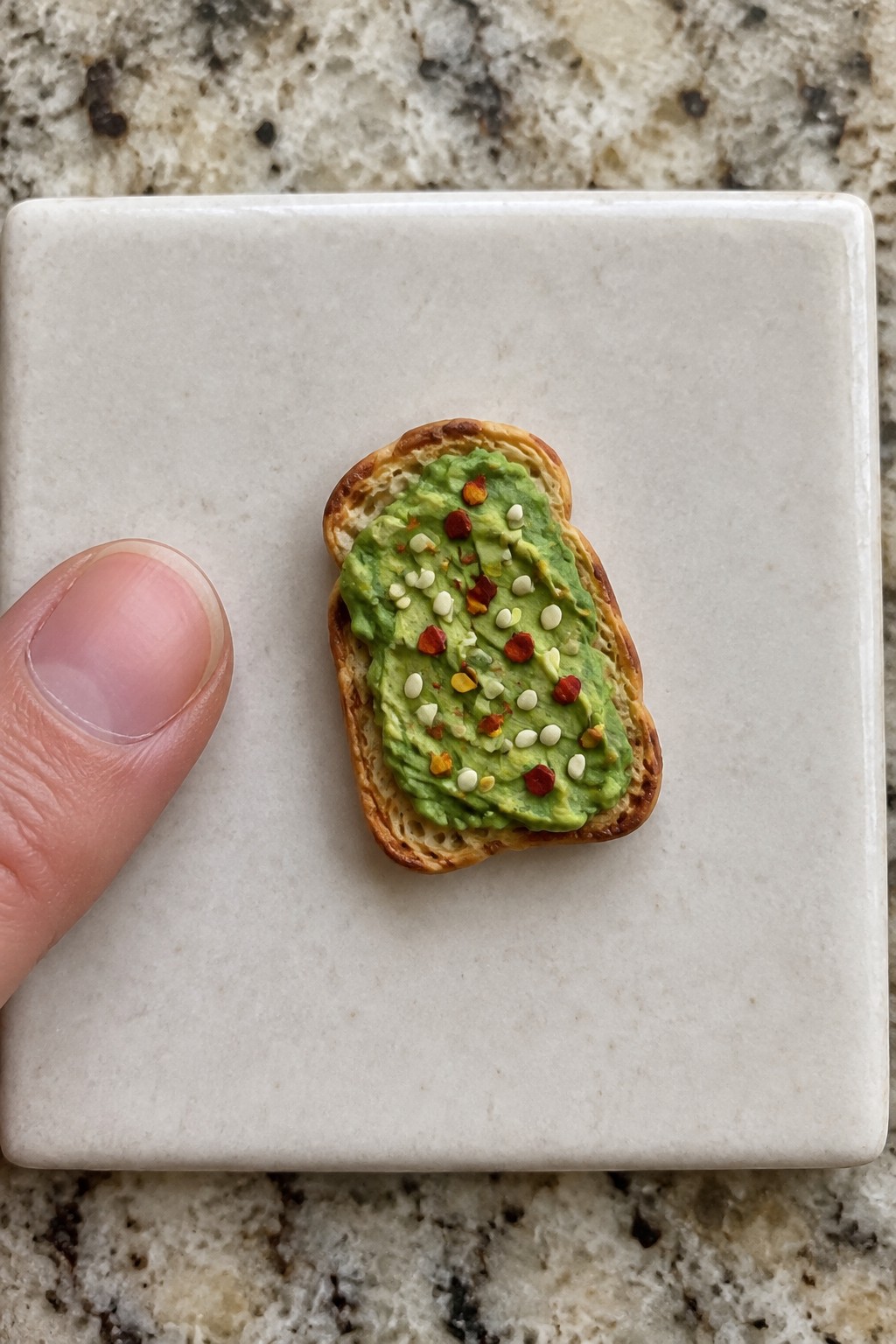
This miniature polymer clay food replica recreates avocado toast on a small slice of browned bread, with textured green avocado and tiny red and pale toppings. Its handmade contours and contrasting colors make the familiar snack easy to recognize at miniature scale, fitting naturally into a collection of realistic clay food sculptures.
The toast shape keeps the idea approachable, while the uneven avocado surface and scattered toppings provide details to adapt. A simpler version could use fewer toppings, or you could vary the bread shape and add different small accents to make a matching set of miniature snacks.
Miniature Polymer Clay Cinnamon Roll

A tiny cinnamon roll is a miniature polymer clay food replica, with a coiled shape, brown cinnamon-like bands, and white icing that makes the swirl easy to read at a small scale. Its rounded handmade contours give it the look of a bite-size pastry, making it a decorative miniature sculpture or a possible charm.
The spiral is the main feature, so a simpler version can use one broad brown line wrapped around a small dough-colored coil, with just a few icing drips added on top. Try changing the icing color or making the roll larger or smaller to create a set of bakery miniatures, or adapt the same coil-and-drizzle design into a miniature sticky bun.
Miniature Polymer Clay Fruit Tarts

These miniature polymer clay fruit tarts use a scalloped pastry shell, a layer of pale cream, and neatly arranged fruit to recreate small individual desserts. The blueberries, green kiwi slices, and orange peach pieces give each tart a distinct color pattern, making the set a detailed miniature food sculpture.
The fruit toppings make the design easy to adapt: use the same tart shape with strawberries, citrus, or mixed berries, or simplify the decoration to a few larger pieces. Make them as a coordinated set for display or as individual collectibles, varying the fruit and tart size while keeping the cream-and-pastry base consistent.
Miniature Baguette With a Pat of Butter

A tiny hand-sculpted baguette and butter set makes a recognizable miniature food scene for a polymer clay collection. The loaf’s tapered shape, golden-brown color, and raised scoring give it realistic texture, while the small yellow butter pat adds a clear color contrast.
The sculpted cuts do most of the work, so a simpler version could use a basic loaf shape with just a few shallow lines and blended shades of brown. Keep the butter as a small separate piece, or adapt the bread into a mini roll or sliced loaf; the finished set could suit a miniature display or a food-themed charm.
Miniature Polymer Clay Pancake Stack

A miniature polymer clay pancake stack recreates a breakfast plate as a tiny food sculpture, with rounded pancakes, a pat of butter, and syrup draped over the edges. The golden-brown surfaces and glossy-looking syrup contrast with the small floral plate, making the familiar breakfast details easy to read at miniature scale.
The stacked circles make the basic form straightforward to simplify, while the butter and syrup give you a few small details to focus on. Try different pancake counts, syrup colors, or plate patterns, or adapt the stack into a miniature breakfast display or food-themed charm.
Everything Bagel Polymer Clay Keychain

A miniature everything bagel keychain turns a familiar breakfast into a tiny food replica, with a cream-colored filling and scattered seed details that make the small shape easy to recognize. The attached metal ring gives the handmade clay sculpture a clear use as a decorative accessory.
The bagel’s simple ring shape is a good starting point for a small-scale project, while the uneven seeds help it look more realistic without requiring many details. You could change the topping mix or filling color, or adapt the same idea into a smaller charm without the key ring.
Miniature Polymer Clay Lemon Meringue Pie

A tiny lemon meringue pie slice makes a strong miniature food sculpture, with a golden crimped crust, bright yellow filling, and piped-looking white meringue peaks. The layered cross-section and toasted tips make the dessert recognizable even at a very small scale.
The stacked layers provide a clear guide for shaping and coloring each part, while the meringue peaks create the main detail. You could simplify the design with fewer, larger peaks, or make a set of slices with different fillings and crust colors for a miniature dessert display or collectible.
Miniature Polymer Clay Sushi Rolls

These tiny polymer clay sushi rolls recreate maki with dark outer bands, white rice, and simple fruit or vegetable centers. The strawberry, yellow, and green fillings add clear color contrast, while the small rounded rice details make each handmade miniature recognizable as a sushi replica.
The sliced-roll format is easy to vary with different colors and fillings, and a simpler version could use a smooth white ring around one bright center. Make a few matching pieces for a miniature food collection, or scale them down as decorative charms; the contrasting centers make the set easy to pick out when browsing craft inspiration.
Miniature Polymer Clay Tea Tray With Cake and Brie
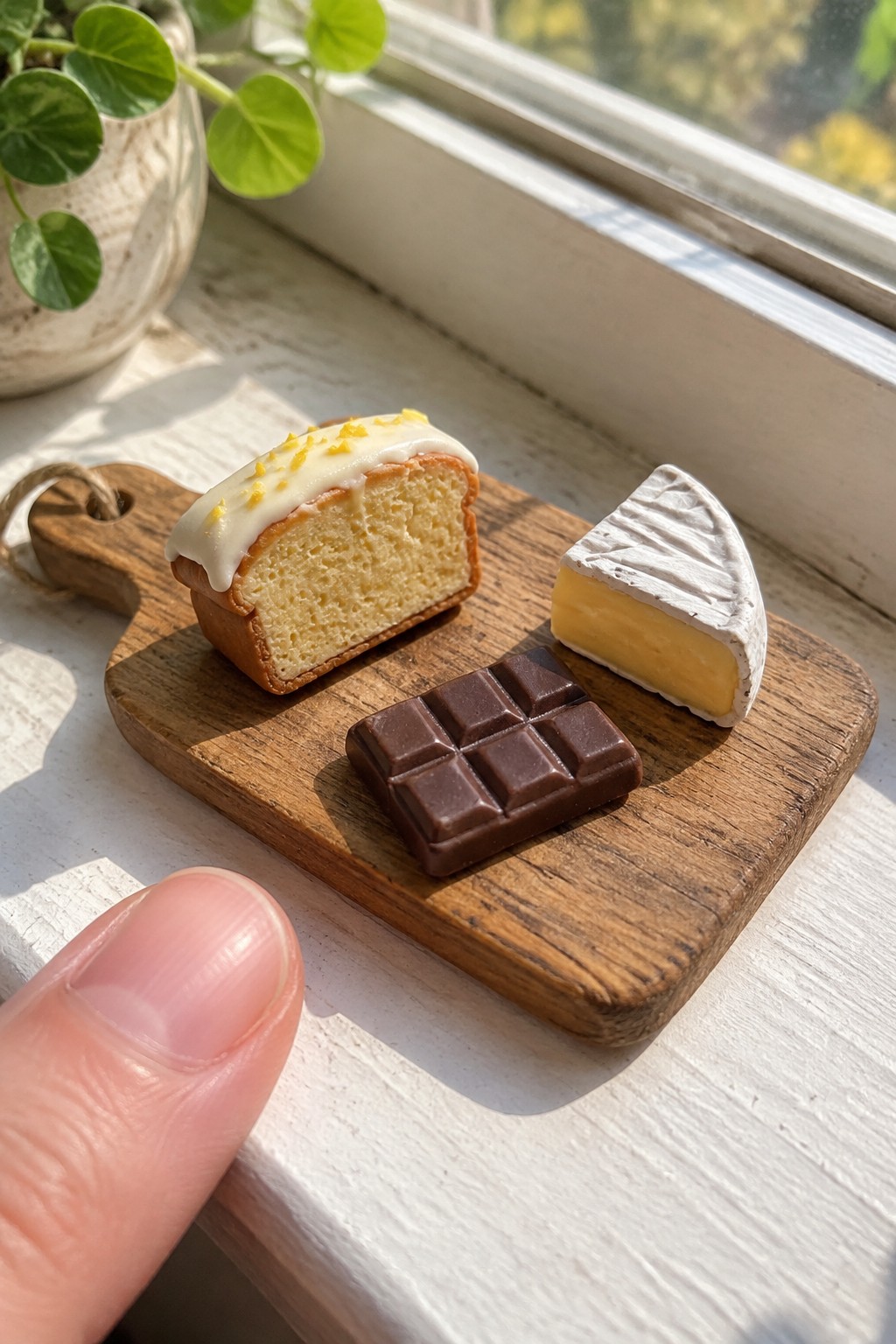
A miniature polymer clay food set can turn a familiar snack pairing into a small sculptural display: a frosted slice of cake, a wedge of soft cheese, and a segmented chocolate bar arranged on a wooden-style tray. The contrast between the cake’s pale crumb and icing, the cheese’s white rind, and the chocolate’s dark brown surface makes each tiny piece easy to recognize.
The tray arrangement gives the mini foods a clear composition, and you could swap in different cake toppings or cheese shapes to create a new version. Simplify the set by sculpting just one food item and the tray, or make the pieces smaller for a dollhouse display or decorative miniature collection.
Frequently Asked Questions
You’ll need polymer clay in a range of colors, a craft blade, a small rolling pin or acrylic roller, and basic sculpting tools such as a toothpick or ball tool. Pastels or chalk can add subtle shading, while a soft brush helps apply them. A glossy glaze is useful for foods that look moist, like fruit or frosting, but a matte finish often looks more natural on bread, pastry, and vegetables. Follow the clay manufacturer’s instructions for baking, and use tools reserved for crafting rather than food preparation.
Pay attention to small variations in color, shape, and texture. Real food is rarely perfectly smooth or symmetrical, so add tiny dents, uneven edges, and subtle color changes. Blend several related clay colors rather than relying on one flat shade. Texture tools can create details such as bread crust, citrus peel, or the surface of a strawberry. Keep highlights and shading delicate, since overly bright colors or heavy gloss can make a piece look less realistic.
Use tools you already have, such as a toothbrush, needle, toothpick, or crumpled foil, to press patterns into the clay. A blade can create flaky pastry edges or sliced surfaces, while a ball tool can make small indentations in fruit. For baked goods, use fine crumbs of contrasting clay to suggest a browned or seeded crust. Add texture before baking, and test your tool on a scrap piece first so the marks suit the scale of your miniature.
Bake the pieces according to the temperature and timing on the clay package. Use an oven thermometer to check that your oven is heating accurately, and place the miniatures on a dedicated baking surface, such as a ceramic tile or foil-covered tray. Avoid overheating the clay, and ventilate the room while baking. Do not use kitchen tools for clay work or serve food on surfaces that have touched uncured clay. Let finished pieces cool completely before handling or glazing.
Start with simple shapes that don’t need many separate parts, such as cookies, strawberries, bread rolls, or slices of cheese. These projects help you practice mixing colors, shaping, and adding texture without requiring intricate assembly. Once you’re comfortable, try foods with more layers or details, such as a tiny burger, layered cake, or bowl of noodles. Working from reference photos can help you judge proportions and choose realistic colors.
