


I like using polymer clay to make small charms because even a simple animal shape can have plenty of personality.
Little bears, cats, and other creatures can be personalized with colors and tiny details to suit a bracelet, necklace, or key ring.
I’ve gathered 17 mini animal charm ideas for when you want to make something cute and small.
There are plenty of fun shapes to browse and choose from.
Ginger Cat Face Polymer Clay Charms
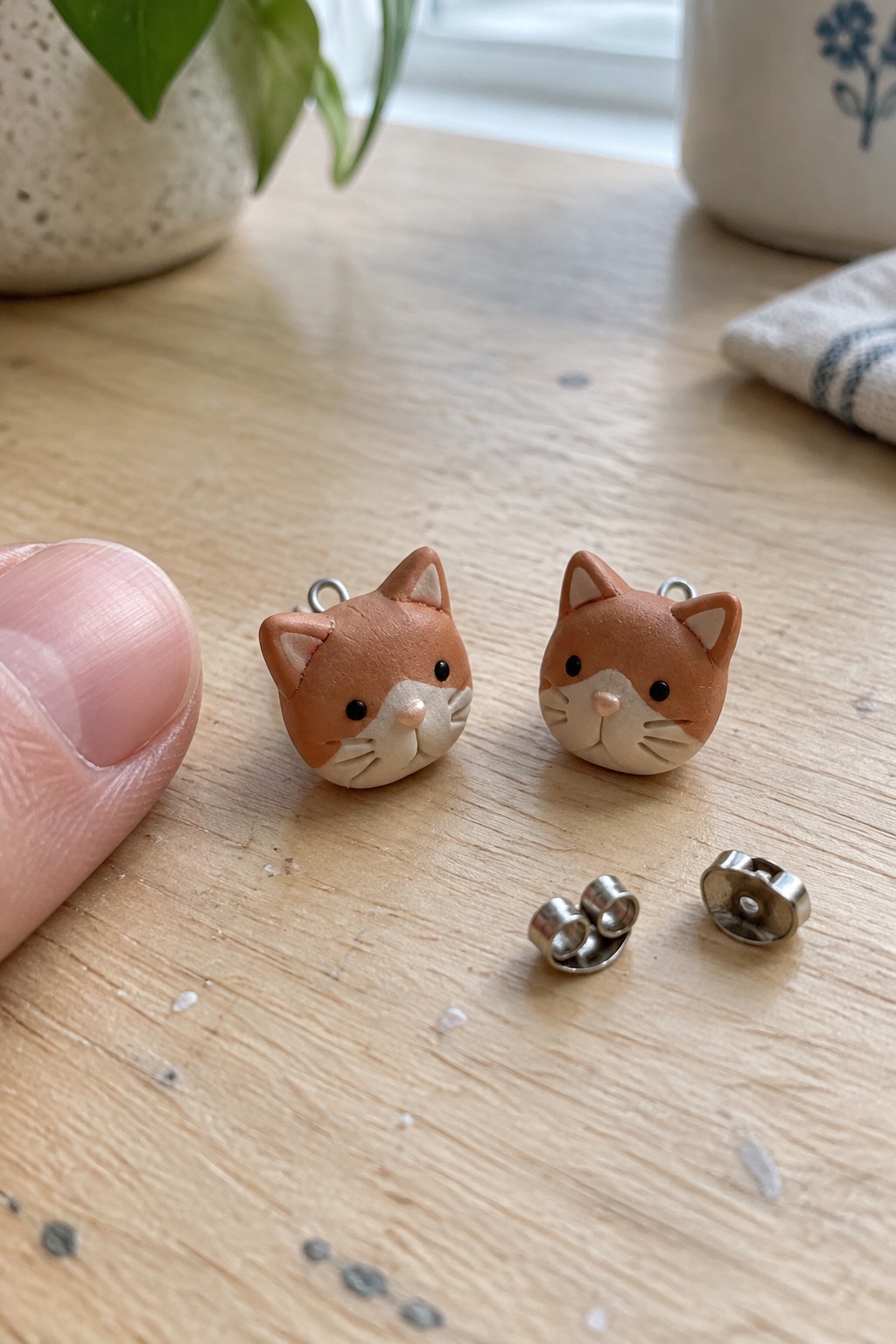
These miniature polymer clay charms turn a cat’s face into a compact, recognizable jewelry motif. Rounded orange-and-cream shapes, black eyes, a small pink nose, and sculpted whiskers give each face its expression, while the metal loops make the pieces ready to use as charms.
The simple face shape is easy to adapt with different fur colors, eye shapes, or markings, and the whiskers can be kept minimal for a simpler version. Make a matching pair for earrings or scale up the design for a pendant or bag charm.
Sleeping Fox Polymer Clay Charm
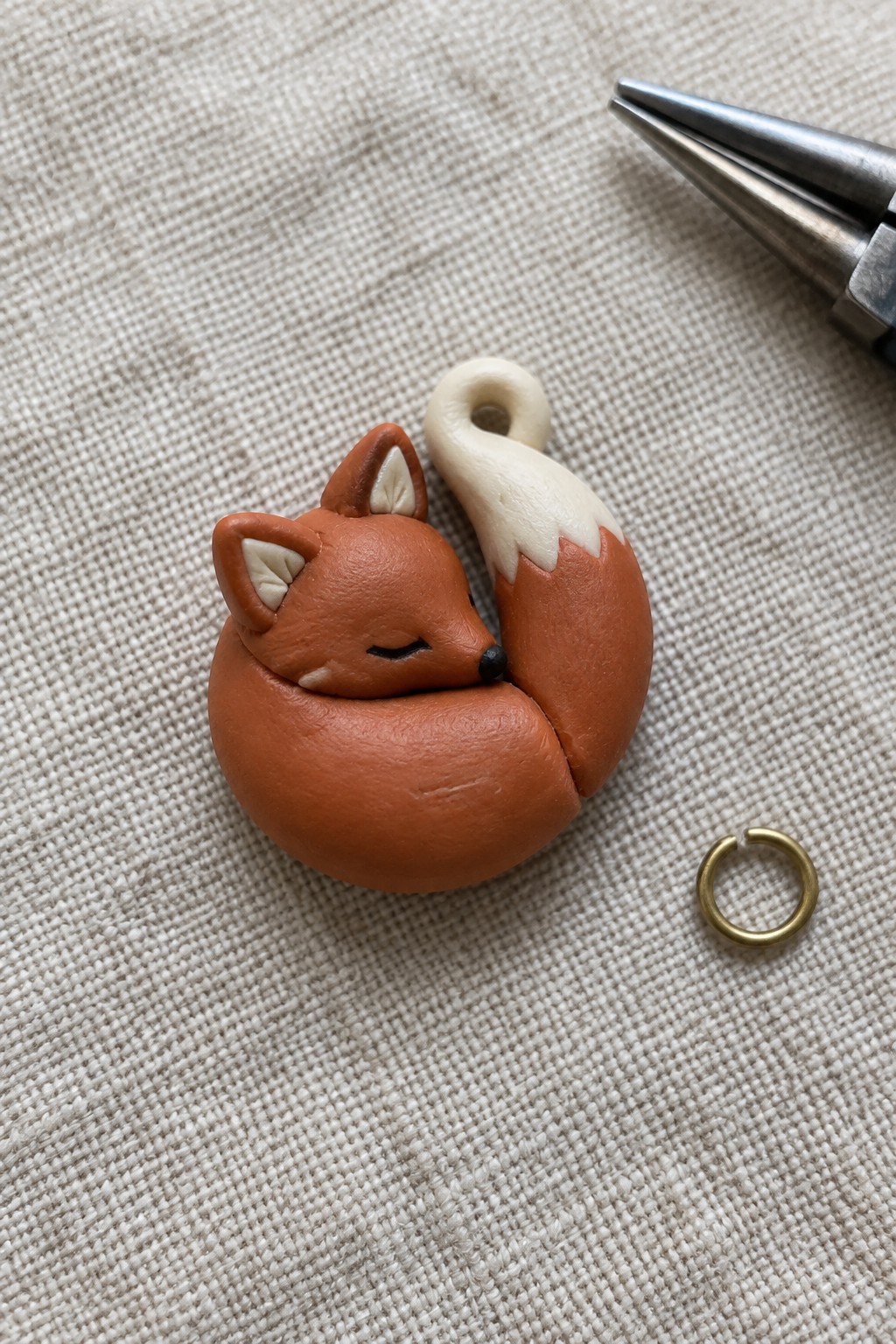
A curled-up fox makes a compact polymer clay animal charm, with its bushy tail wrapping around the body and a cream tip echoing the color inside its ears. The rounded handmade shape, rust-orange and ivory colors, and simple closed eye give the miniature a clear silhouette without relying on many small details.
The curled pose is a useful starting point for other animal charms because the tail can frame the body while keeping the design compact. Try changing the colors or ear shape to make a different fox, cat, or similar curled-up animal, and add a jewelry finding to turn the finished piece into a pendant or keychain charm.
Blue Whale Polymer Clay Charms
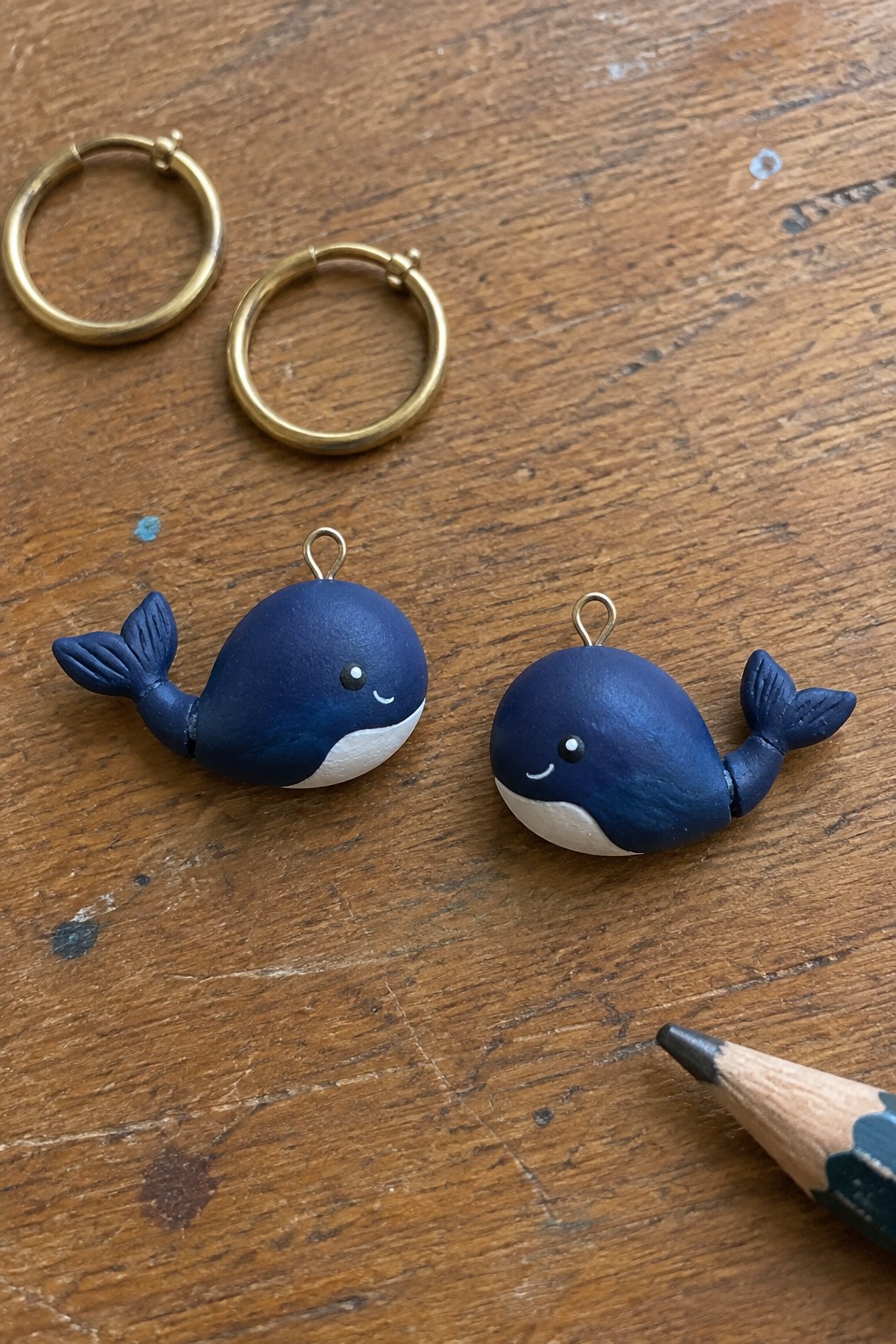
These small polymer clay whale charms pair rounded navy bodies with white undersides, sculpted tails, and simple painted faces. The loop at the top of each miniature makes the animal design suitable for jewelry, while the contrasting colors and raised details keep the whale shape clear at a small scale.
The simple body and face make the idea easy to adapt with different whale shapes, colors, or expressions, and the tail can be varied to give each charm its own silhouette. You could make a matching pair for earrings or scale up the same design for a pendant, keeping the sculpted features bold enough to read on a small accessory.
Tiny Hedgehog Polymer Clay Charm

A tiny hedgehog charm uses a rounded brown body, a simple face, and rows of pale sculpted spikes to turn a familiar animal shape into a miniature jewelry design. The contrast between the smooth body and pointed details makes the hedgehog easy to recognize at a small scale, while its handmade contours keep it looking like a sculpted clay figure.
The rows of spikes are the main feature, so a simpler version could use fewer pieces while keeping them arranged across the back. Try cream and brown for a natural look, or switch to pastel spikes for a brighter charm; the same design could also be made larger as a small decorative figurine.
Penguin Polymer Clay Charms

These small penguin figurines turn a simple rounded body into a recognizable animal charm. Black wings and head, a white belly, and tiny orange beaks create clear contrast, while the sculpted features keep each handmade piece readable at a miniature scale.
The compact shape makes the design easy to adapt into a pair of earrings or a single charm, with the visible metal post suggesting an earring fitting. A simpler version could use a plain oval body and just the white belly, beak, and eyes; changing the belly shape or adding a small scarf would give each penguin a different look.
Sloth Curled Around a Crescent Moon Charm

This hand-sculpted sloth and crescent moon make a detailed animal charm, with the sloth’s textured brown body curled around a pale yellow moon. Small metal loops at the top of both shapes allow the paired sculpture to hang from a jewelry chain.
The curved moon gives the sloth a clear, compact silhouette, while its closed eyes and sculpted fur make the miniature recognizable without extra decoration. For a simpler version, use fewer fur marks and keep the face and crescent as the main details, or adapt the pairing with different animals and moon colors for a distinctive necklace charm.
Mini Polymer Clay Turtle Charms
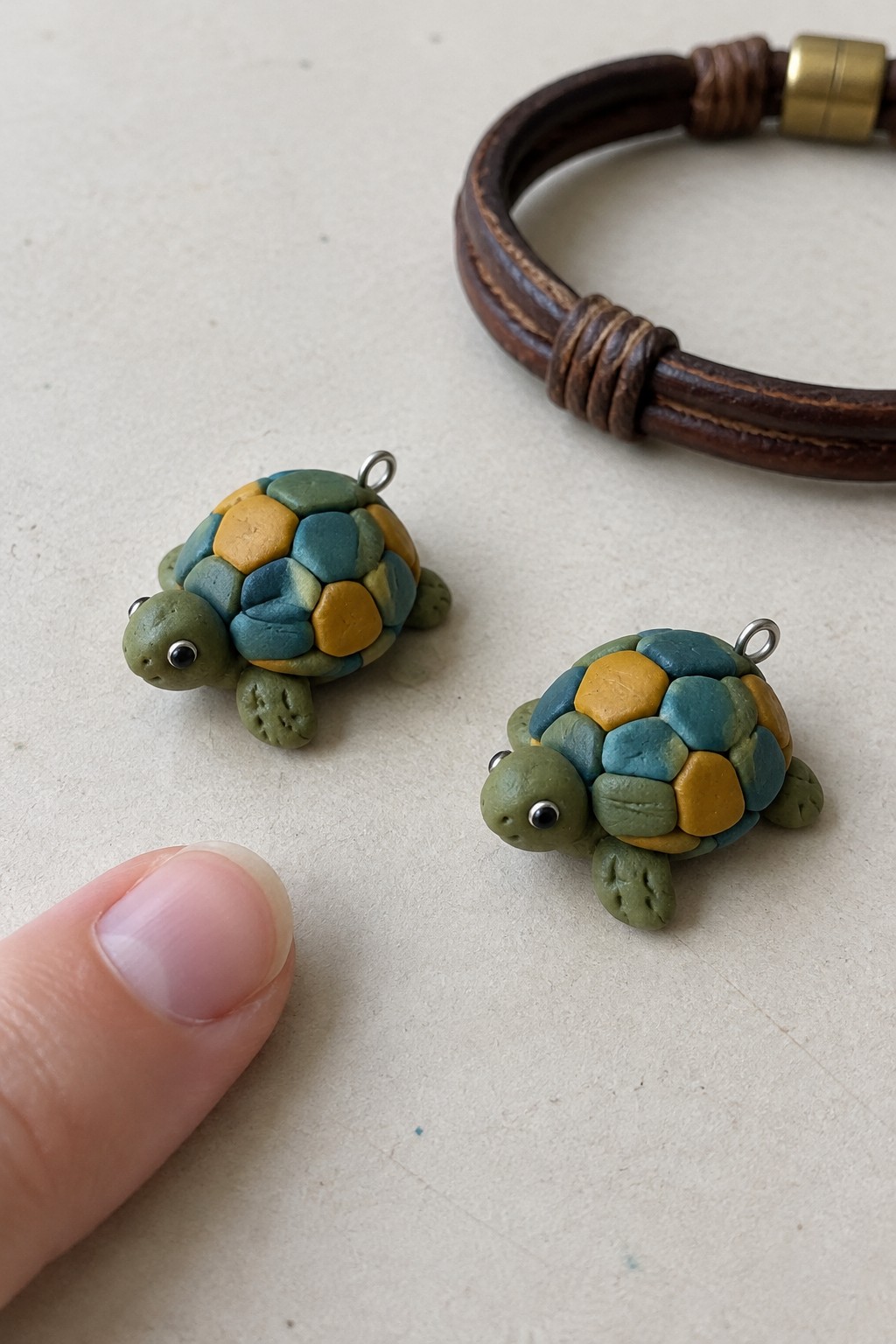
These miniature polymer clay turtle charms have rounded olive-green bodies and domed shells built from separate blue, teal, and mustard-colored sections. Simple eyes and small sculpted feet give each handmade animal a clear silhouette, while the metal loops make the turtles suitable for jewelry.
The shell’s patchwork pattern is the main detail to customize: try different color combinations or use fewer, larger sections for a simpler version. Make the turtles in different sizes for pendants or smaller accessories, keeping the face and feet uncomplicated so the shell stays the focus.
Bunny and Carrot Polymer Clay Charms

A tiny seated bunny and a separate carrot make a playful pair of polymer clay charms for jewelry. Their rounded sculpted shapes, soft white and pale blue details, and bright orange carrot create clear contrast at a small scale, while the gold loops make each miniature ready to attach to an earring or other jewelry finding.
The simple forms make the idea easy to adapt: simplify the bunny’s face, change the carrot’s color, or add small details such as a different ear color or leafy top. You could also make the bunny and carrot as separate charms or pair them on one piece of jewelry for a coordinated set.
Mini Narwhal Polymer Clay Charm
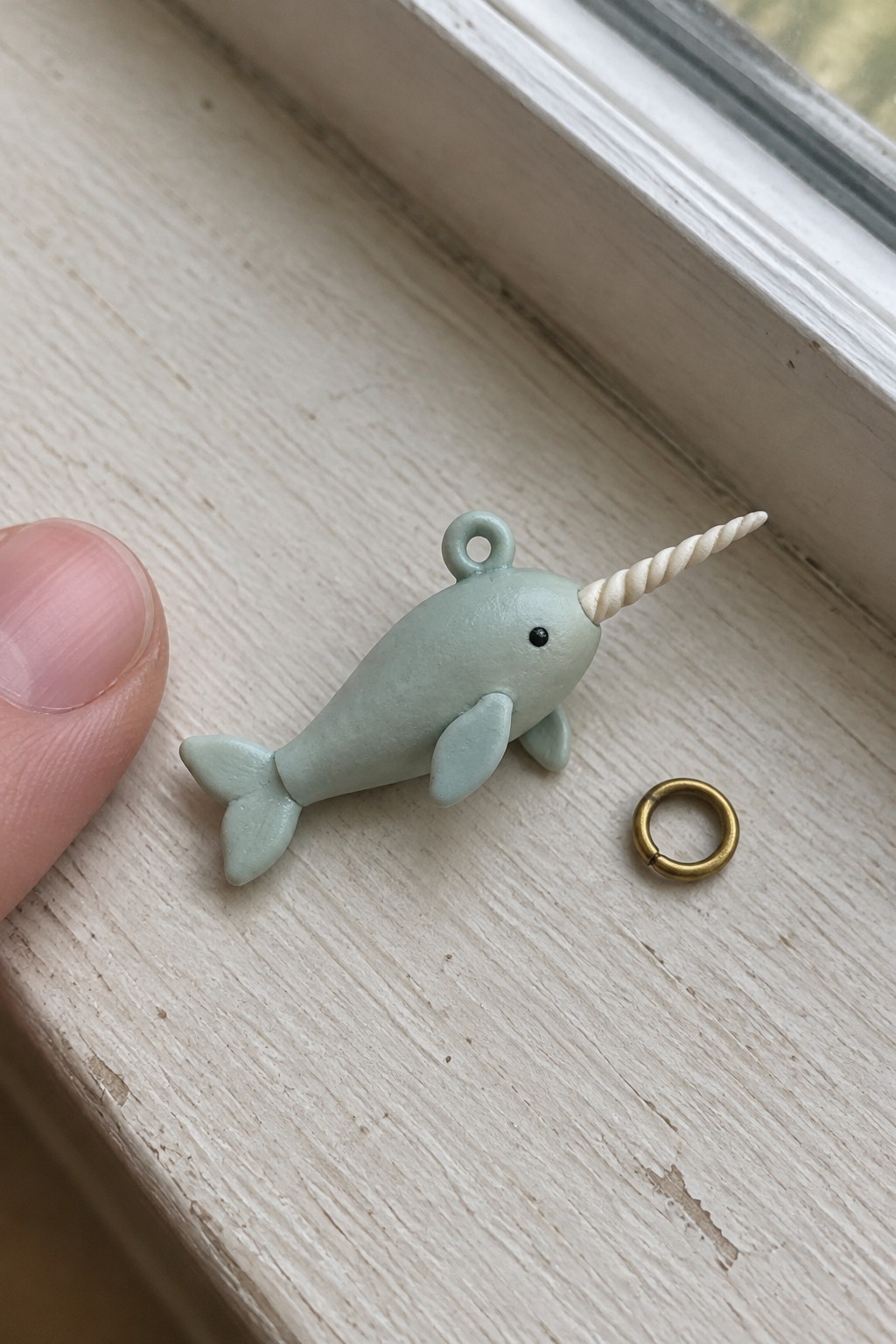
A tiny narwhal makes a distinctive animal charm, with its rounded pale blue body, small flippers, tail, and raised spiral tusk forming a clear silhouette. The black eye and loop on top keep the sculpted details simple while making the handmade miniature easy to recognize as a piece of jewelry.
The spiral tusk gives this design its memorable feature, and it could be shortened or left off to make a simpler whale charm. Try different body colors or add small painted details, then make the narwhal larger or smaller for a pendant, zipper pull, or collection of animal charms.
Tiny Owl Polymer Clay Charms
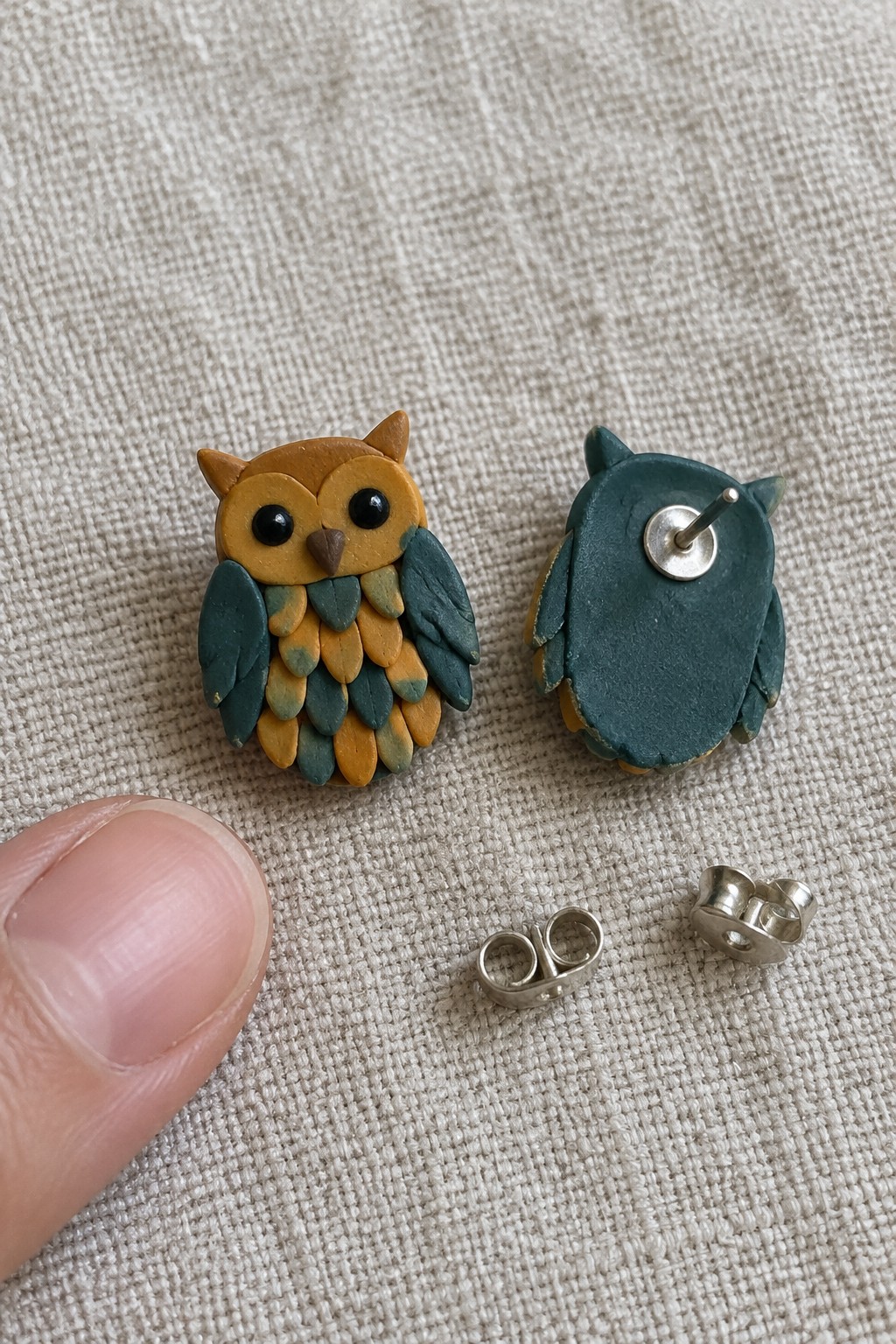
These miniature owl charms pair rounded bodies with layered feather shapes, dark eyes, and warm ochre and deep teal colors. The sculpted wings and overlapping breast feathers give each handmade clay animal a clear silhouette, while the small scale suits jewelry.
The layered feathers make the design memorable, and you could simplify them into a few flat shapes for an easier version. Try different color pairings or make a small set of owls with varied eye and feather details; the motif could also be adapted for a pendant or bag charm.
Orange Fox Face Polymer Clay Charm
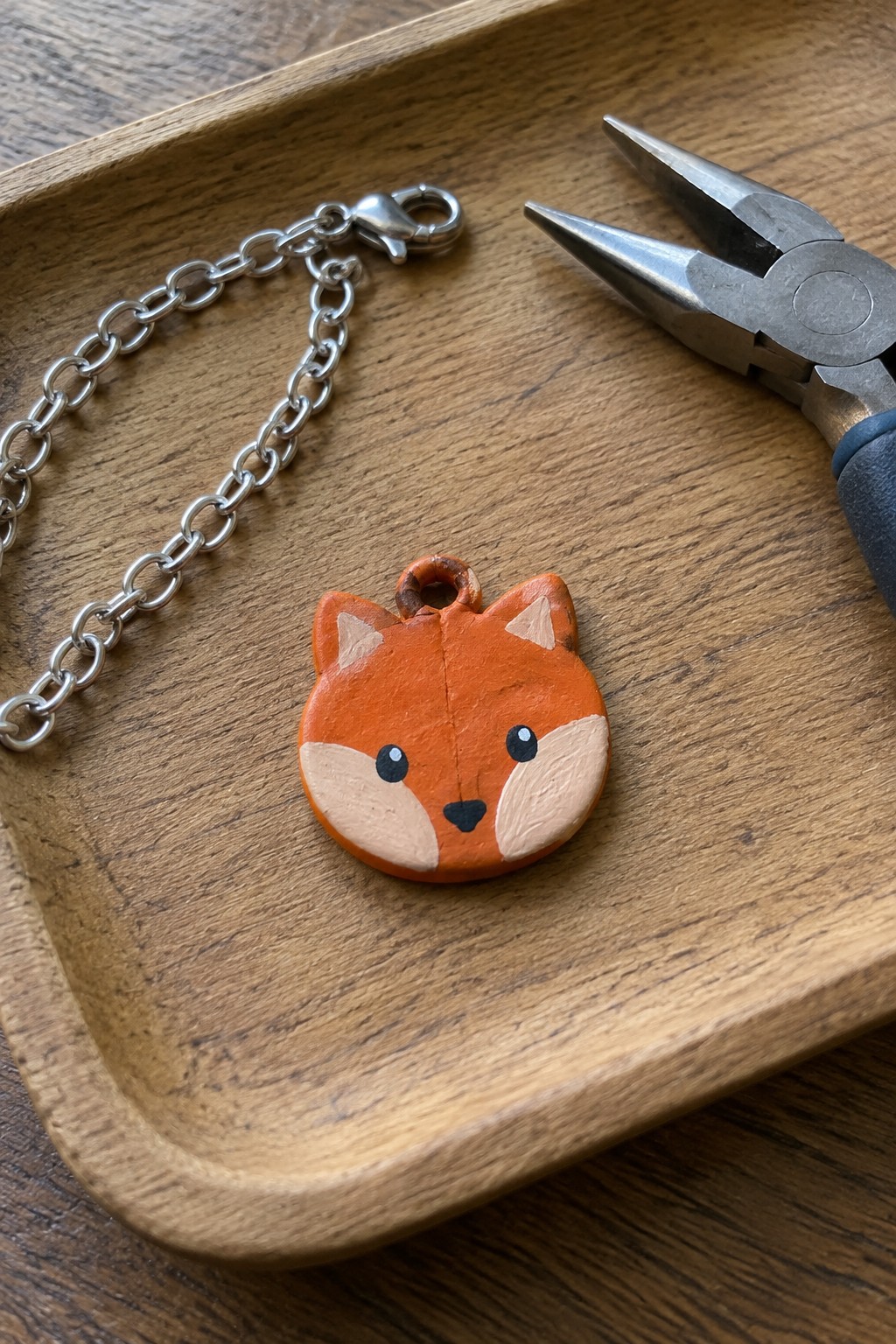
A small fox-face clay charm turns a simple rounded head shape into a recognizable animal accessory. Orange clay, pale cheeks and inner ears, and dark painted eyes and nose create clear contrast, while the raised ears give the handmade shape extra definition.
The compact silhouette makes this design easy to adapt for a keychain or bag charm, and the same face could be made in other colors or with different cheek and ear details. For a simpler version, keep the head shape and painted features but leave out the raised loop, then add one if you want to attach it to a chain.
Pink Axolotl Polymer Clay Charm

A tiny axolotl figurine becomes a wearable charm with a hanging loop above its rounded body. Its pink color, branching gills, simple face, and small feet make the animal easy to recognize while keeping the sculpted design compact.
The gills give this charm its distinctive outline, so they can be simplified into a few small pieces while preserving the axolotl shape. Try alternate pink shades or add different facial details, and make the figure smaller for a bracelet charm or larger as a decorative miniature.
Yellow Duck Polymer Clay Hoop Earrings

These polymer clay earrings pair small sculpted yellow ducks with long gold-tone hoops, turning a simple animal figurine into wearable jewelry. The rounded bodies, tiny black eyes, and orange beaks keep the duck shape clear at a miniature scale.
The duck silhouette is easy to adapt with different body colors, beak shapes, or small wing details, and a simpler version could use fewer feather marks. Make the ducks smaller for lighter-looking earrings or use the same motif as a single pendant or bag charm.
Mini Red Panda Polymer Clay Charm
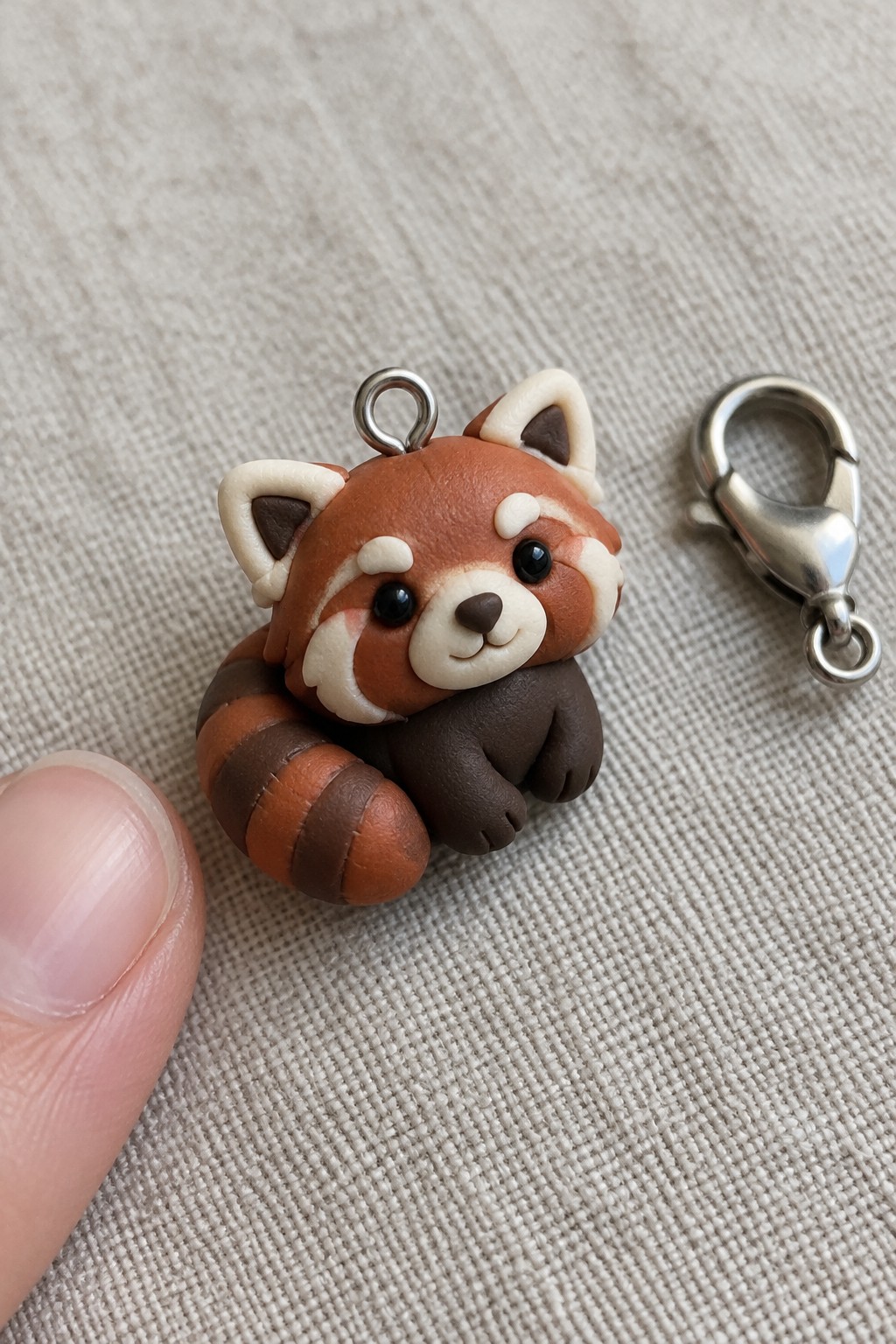
This polymer clay animal charm turns a seated red panda into a compact sculpted figure, with a rounded rust-colored face, dark body, cream markings, and a banded tail. Its layered facial details and curled tail make the miniature recognizable without needing a complex pose, while the attached hardware lets it work as a jewelry or bag charm.
The rounded forms make the design easy to adapt into other small animal charms, such as a raccoon or fox, by changing the face markings and tail colors. A simpler version could use fewer facial pieces and a plain tail, while the rust, cream, and brown palette keeps the red panda distinct at a small scale.
Gray Mouse Polymer Clay Charms

These tiny handmade clay mice turn a simple rounded body into a recognizable animal charm, with sculpted ears, small eyes, a nose, and a wire loop for hanging. Their understated gray color keeps the shape and facial details easy to notice, making them a neat fit for a miniature animal jewelry collection.
The elongated bodies and simple features are useful forms to adapt into other small charms, or to vary with different ear shapes, colors, and expressions. For a simpler version, keep the body and ears rounded and use only a few small facial details; make several in different sizes for a coordinated set.
Tiny Pink Seahorse Polymer Clay Charm
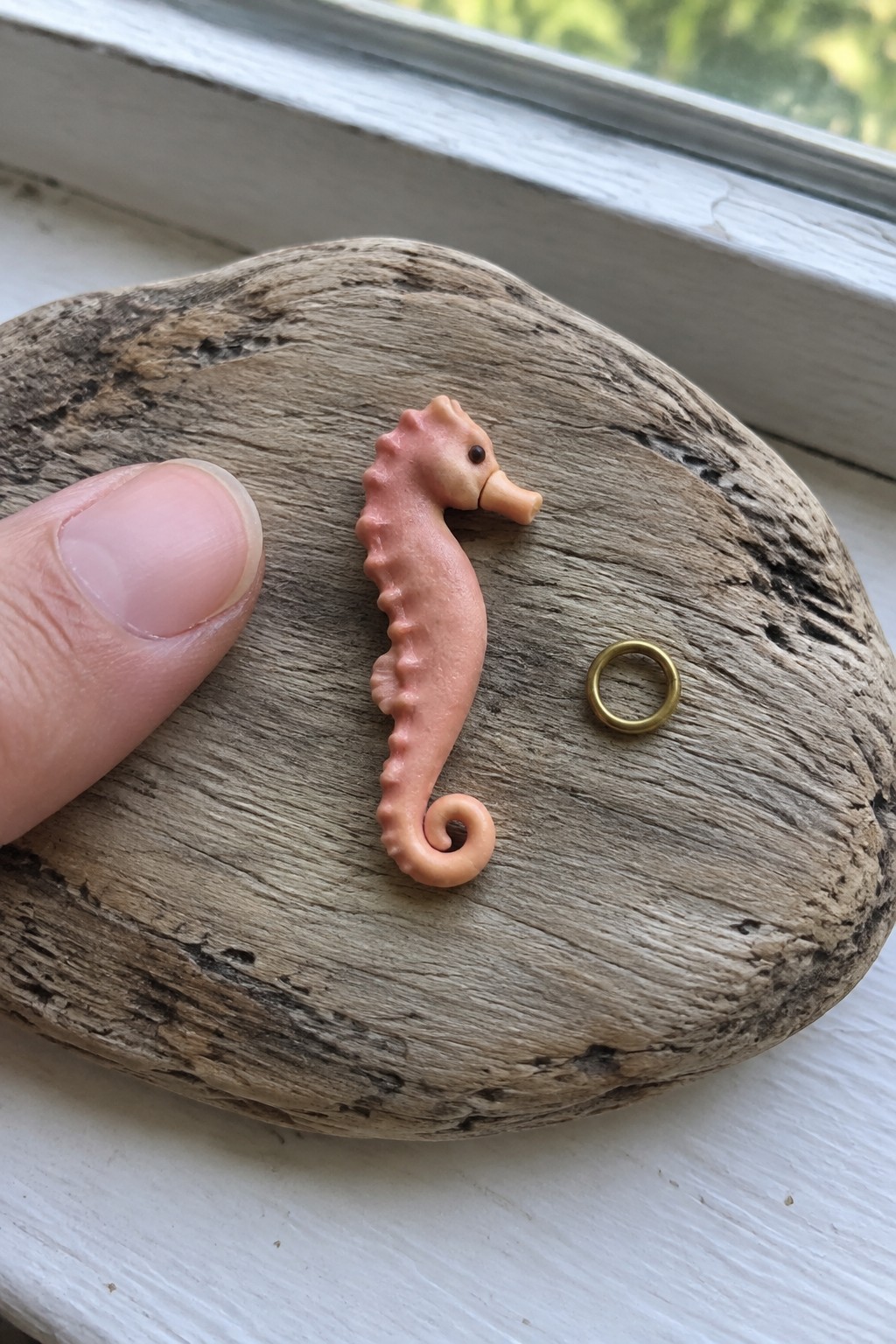
A small hand-sculpted seahorse makes a distinctive animal charm, with a curved body, ridged back, curled tail, and simple dark eye. Its soft pink color and contrasting pale snout keep the miniature sculpture recognizable without adding many painted details.
The curled tail and raised ridges give the design its character, so a simpler version could keep those features while using fewer bumps along the back. Try coral, yellow, or blue clay for variations, or make the seahorse slightly smaller for a jewelry charm; the separate gold-colored ring nearby suggests one way to turn the figure into a hanging accessory.
Raccoon Face Polymer Clay Charm

A sculpted raccoon face makes a recognizable miniature charm for a necklace or keychain, with a small hanging loop built into the top. Gray and cream clay define the face, while dark eye patches, rounded ears, and a textured muzzle give the animal its distinctive look.
The contrasting mask does much of the work, so a simpler version could use smooth clay and fewer fur marks while keeping the raccoon easy to identify. You could adjust the gray and cream shades or make the face smaller for other jewelry projects, such as a bracelet charm.
Frequently Asked Questions
You’ll need polymer clay in your chosen colors, a craft knife or clay tools, a small roller, and a baking surface such as a ceramic tile. For turning the animals into jewelry, have jump rings, earring hooks or necklace chains, and small eye pins or screw eyes on hand. A craft blade, toothpick, or dotting tool can help with tiny details like eyes, scales, and paws. Use a dedicated workspace and tools for clay, and follow the clay manufacturer’s instructions for baking.
Keep the shapes compact and avoid thin, fragile parts that stick out, such as long tails or narrow ears. Press attached pieces gently into the body and smooth the joins with a tool or a little liquid polymer clay. For a secure hanging point, insert an eye pin before baking, or drill a small hole after baking if the design allows. Bake for the full time and at the temperature specified on the package. Once cooled, check the charm and hardware before wearing it.
Start with animals made from simple shapes, such as a ladybug, bee, frog, fish, turtle, or sleeping cat. These designs can be built from small balls, ovals, and flattened shapes, with facial features added using a toothpick or dotting tool. Choose a design with few separate parts for your first charm, then try more detailed animals, such as a fox, panda, or owl, as you gain confidence.
Use tiny pieces of contrasting clay for eyes, noses, spots, stripes, ears, and wings. A toothpick or blunt needle can create fine lines and texture, while a small ball tool can make neat indentations. Keep details simple and slightly exaggerated so they remain visible at a small scale. If you’re making several charms, sketch the design or arrange the colors beforehand to help keep the details consistent.
Let baked charms cool completely before adding or tightening jewelry hardware. You can leave polymer clay matte or apply a compatible finish if you want a gloss, but follow the product instructions and test it on a spare piece first. Store finished jewelry away from sharp objects, and wipe it gently with a soft cloth when needed. Avoid leaving charms in hot places, such as a sunlit car, and check jump rings and other findings periodically to make sure they remain closed.
