


I enjoy shaping small clay pieces, especially when a simple form starts to look like a tiny animal.
These miniature creations are full of little details, from rounded paws to expressive faces.
I’ve gathered a mix of animal-inspired ideas that can add a playful touch to a shelf, desk, or craft display.
Here are 17 tiny clay creatures to browse for your next project.
Gray Mouse Clay Keychain

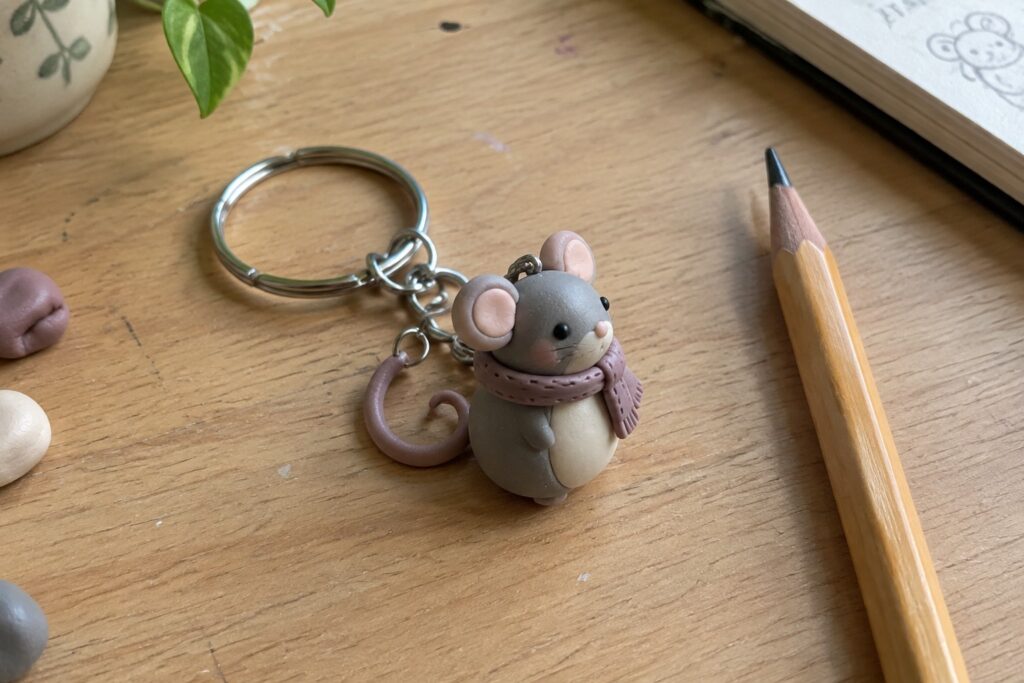
A tiny hand-sculpted mouse becomes a decorative keychain, with a rounded gray body, pale inner ears, small black eyes, and a mauve scarf and curled tail. The simple color palette and compact figurine shape make the animal easy to recognize, while the attached key ring gives the miniature a clear accessory purpose.
The rounded body and scarf can be built from a few distinct shapes, so a simpler version could use fewer facial details or a plain collar. Try changing the scarf color, adding a tiny hat, or sculpting another animal with the same proportions to make a coordinated set of bag charms or keychains.
Sleeping Fox Clay Ring Dish

A hand-sculpted fox forms the raised edge of this small clay trinket dish, with its curled body creating a shallow place for rings. Rusty orange and cream paint, simple closed eyes, and the fox’s pointed ears make the animal easy to recognize without adding many fine details. It works as both a miniature animal sculpture and a decorative jewelry holder.
The curled shape gives the fox a clear silhouette while keeping the center useful for small jewelry, and the painted color blocks are easy to adapt with different coat colors or markings. A simpler version could use a plain rounded dish with just a fox face and ears at one end, while a larger version could hold hair clips or other small accessories. The combination of an animal figure and a practical display piece makes this a distinctive idea to save or give as a handmade gift.
Tiny Cat and Whale Clay Stud Earrings

These miniature clay animal studs pair rounded cat faces with small blue whales, using simple sculpted forms and painted facial details to keep each design readable at a small scale. The contrasting white, gray, and blue colors make the handmade earrings easy to distinguish, while the attached posts make them wearable clay jewelry rather than standalone figurines.
The rounded shapes and few facial marks offer a useful template for making a coordinated set with other animals, such as seals or rabbits. You could simplify the details to dots and short lines, or change the colors and scale to create a different pair of decorative studs or miniature animal accessories.
Hand-Painted Clay Bird Wall Decorations

These hand-sculpted clay bird figurines turn simple rounded body shapes into decorative wall pieces, with raised wings and painted markings defining each bird. The warm rust, blue, and yellow colors make the trio easy to distinguish, while their small sculpted details give each one its own look.
The rounded forms and painted patterns offer an adaptable template: make one bird, change its colors, or add markings inspired by a different species. Simplifying the wing details can make a smaller version easier to shape, while a set in varied sizes could work as a decorative wall grouping or a handmade gift.
Hedgehog Beside a Tiny Mushroom House

This hand-sculpted clay miniature pairs a brown hedgehog with a small mushroom-shaped house, turning two simple figures into a compact woodland scene. The red cap with white spots, textured hedgehog spines, and tiny door and window make the scene easy to read at a small scale. It fits naturally as a decorative animal sculpture or collectible miniature.
The rounded forms and limited color palette give you a clear starting point for adapting the idea, while the spines and house details provide room to add character. For a simpler version, make the hedgehog’s body smooth and keep the house to its spotted cap and door; other options include changing the animal, cap color, or small details around the base. A finished scene could be made in different sizes as a shelf decoration or handmade gift.
Black and White Penguin Clay Figurines

These hand-sculpted penguin figurines use rounded black bodies, white face and belly patches, and small orange beaks to make the bird shapes easy to recognize. Their simple painted features and attached side flippers give them the look of miniature animal sculptures rather than functional objects.
The basic body shape makes the design adaptable: change the sizes to create a parent-and-chick pair, or vary the belly markings and beak colors for a small penguin collection. Beginners could keep the flippers and facial details simple, while the finished figures work as decorative collectibles or handmade gifts.
Tiny Animals Wrapped Around Clay Sushi
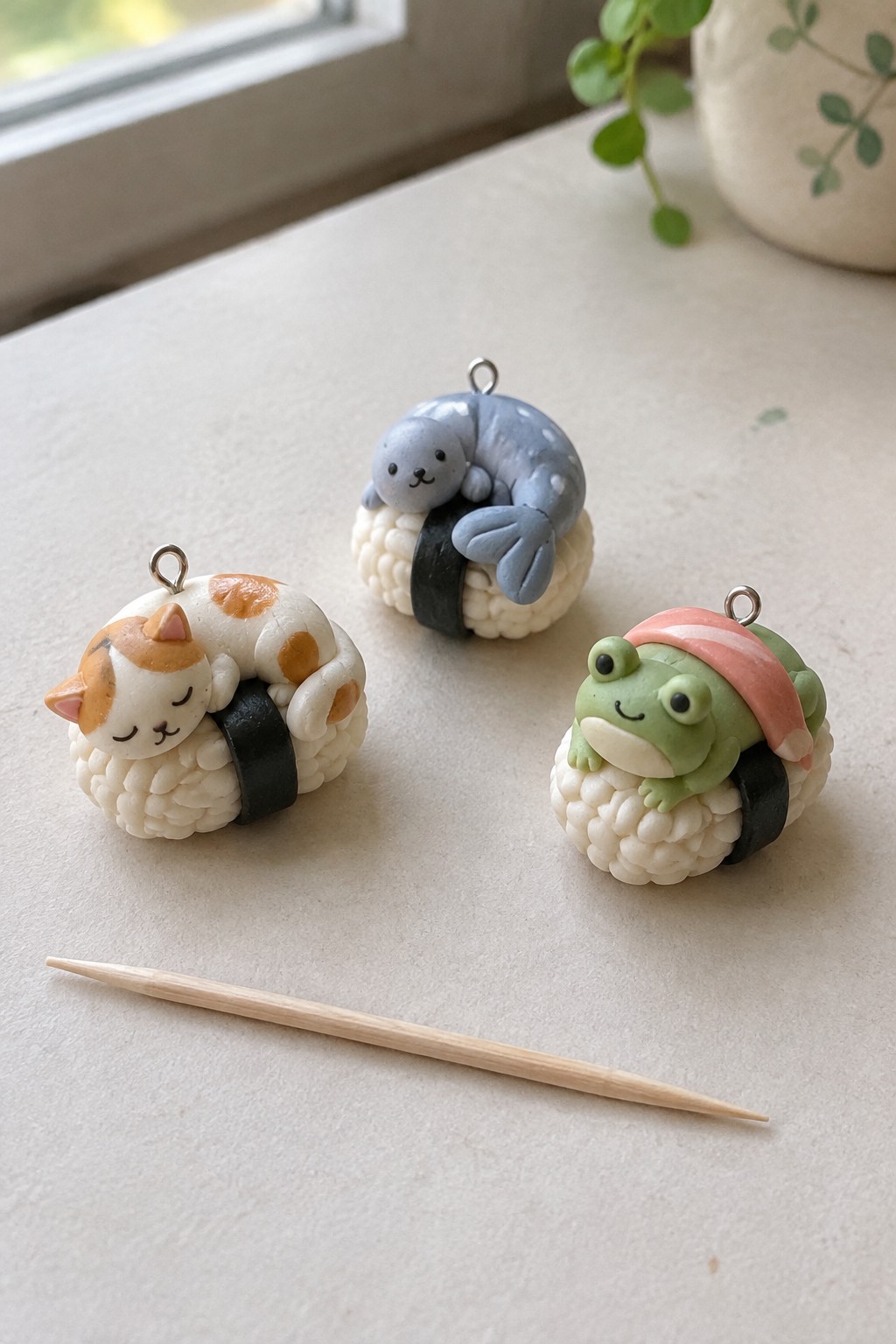
These miniature clay animal sculptures curl around rice-shaped sushi pieces held together with dark seaweed bands. A sleeping orange-and-white cat, a gray seal, and a green frog with a pink shell-like back each have simple painted faces and rounded sculpted details, making the playful sushi concept easy to recognize. Small metal loops turn the handmade figures into decorative charms.
The rounded rice base gives each design a clear shape, while swapping the animal, colors, or sushi topping would create a coordinated set with plenty of variation. You could simplify the idea by sculpting one animal with fewer details, or make a slightly larger version as a miniature display piece; the small scale also makes these designs worth saving as charm inspiration.
Sea Turtle Clay Wall Hanging
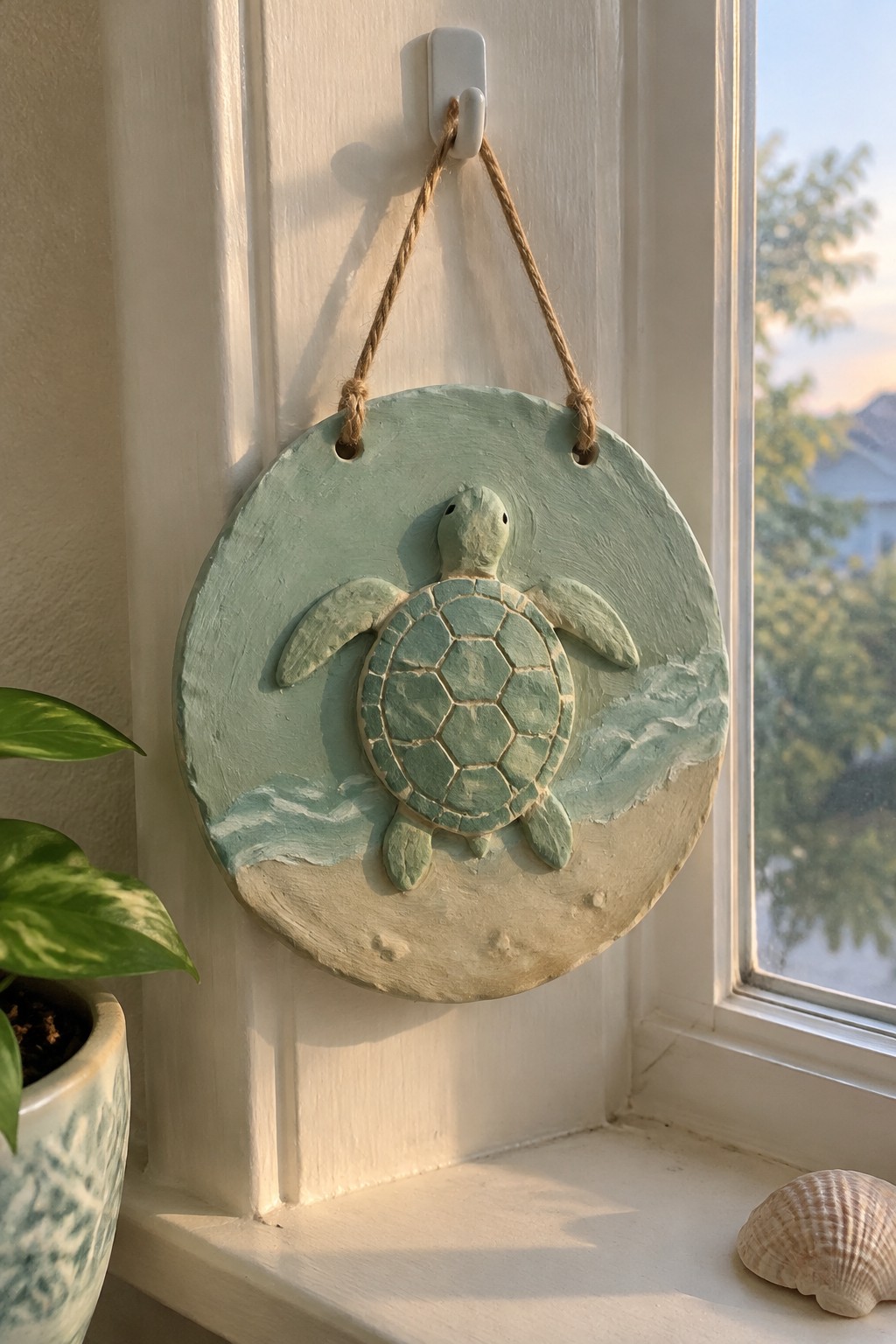
A hand-sculpted sea turtle sits on a round clay wall plaque, with raised flippers and a segmented shell against a muted sea-and-sand background. The soft green and cream colors, uneven handmade contours, and painted shell lines make this a decorative animal wall hanging rather than a miniature figurine on its own.
The round plaque gives the turtle a clear frame, and the hanging cord makes the design easy to adapt into a smaller ornament or a larger wall decoration. For a simpler version, keep the turtle’s body and shell shape but use fewer shell markings and a plain background, or try different ocean-inspired colors.
Tiny Clay Animal Beads
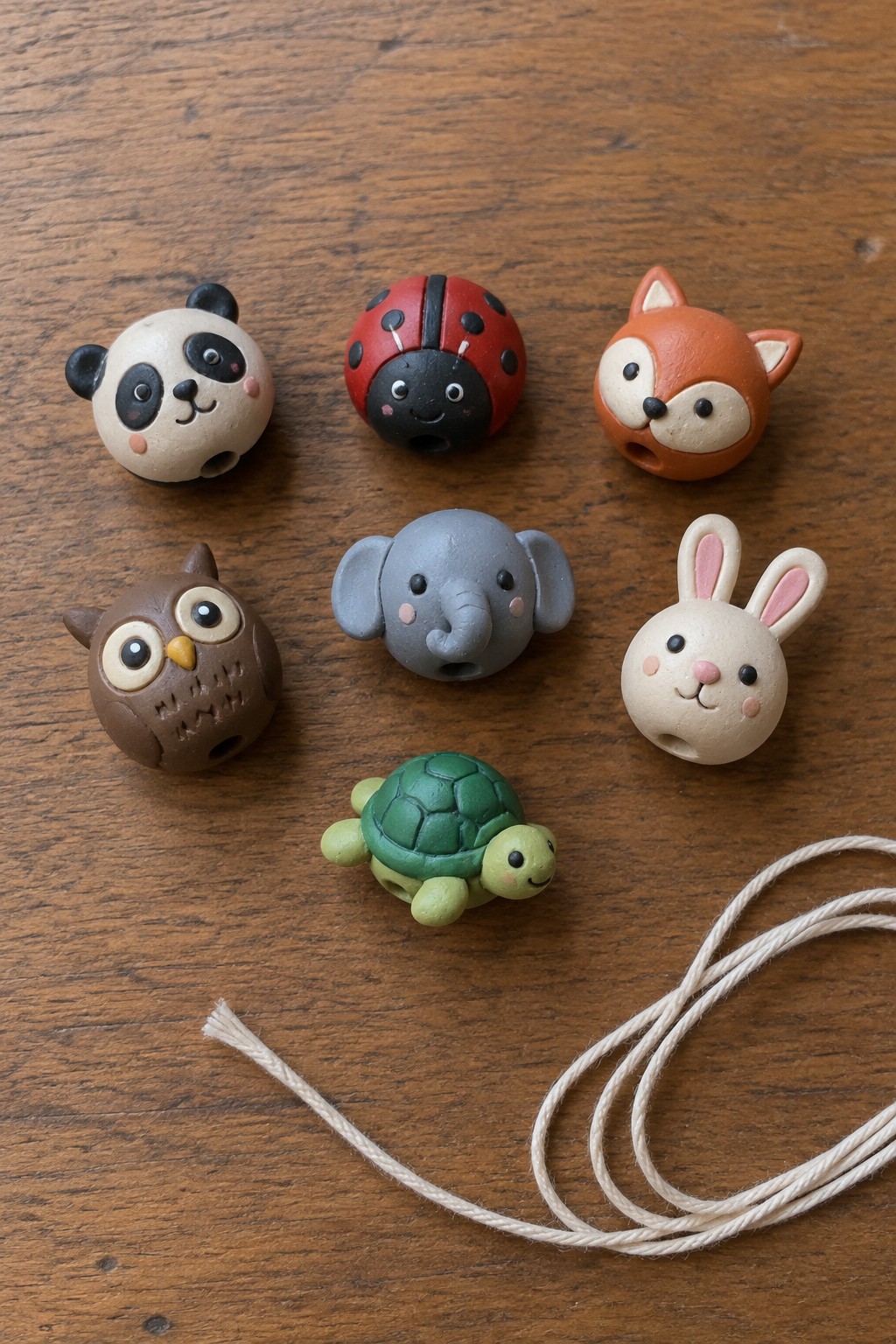
Hand-sculpted clay animal beads turn simplified animal faces and bodies into small decorative pieces with holes for threading. A panda, ladybug, fox, owl, elephant, rabbit, and turtle use rounded forms, contrasting colors, and tiny painted or sculpted features to stay recognizable at a small scale. The collection fits the miniature animal craft category and could be strung together as a playful accessory or decoration.
The simple shapes make the idea easy to adapt: start with a rounded animal face, then add just a few signature details such as a turtle shell pattern or rabbit ears. Make a matching set in different colors, or thread the beads onto cord for a handmade hanging decoration or accessory; a beginner can simplify the faces and keep the details flat.
Snail-Shaped Clay Ring Holder
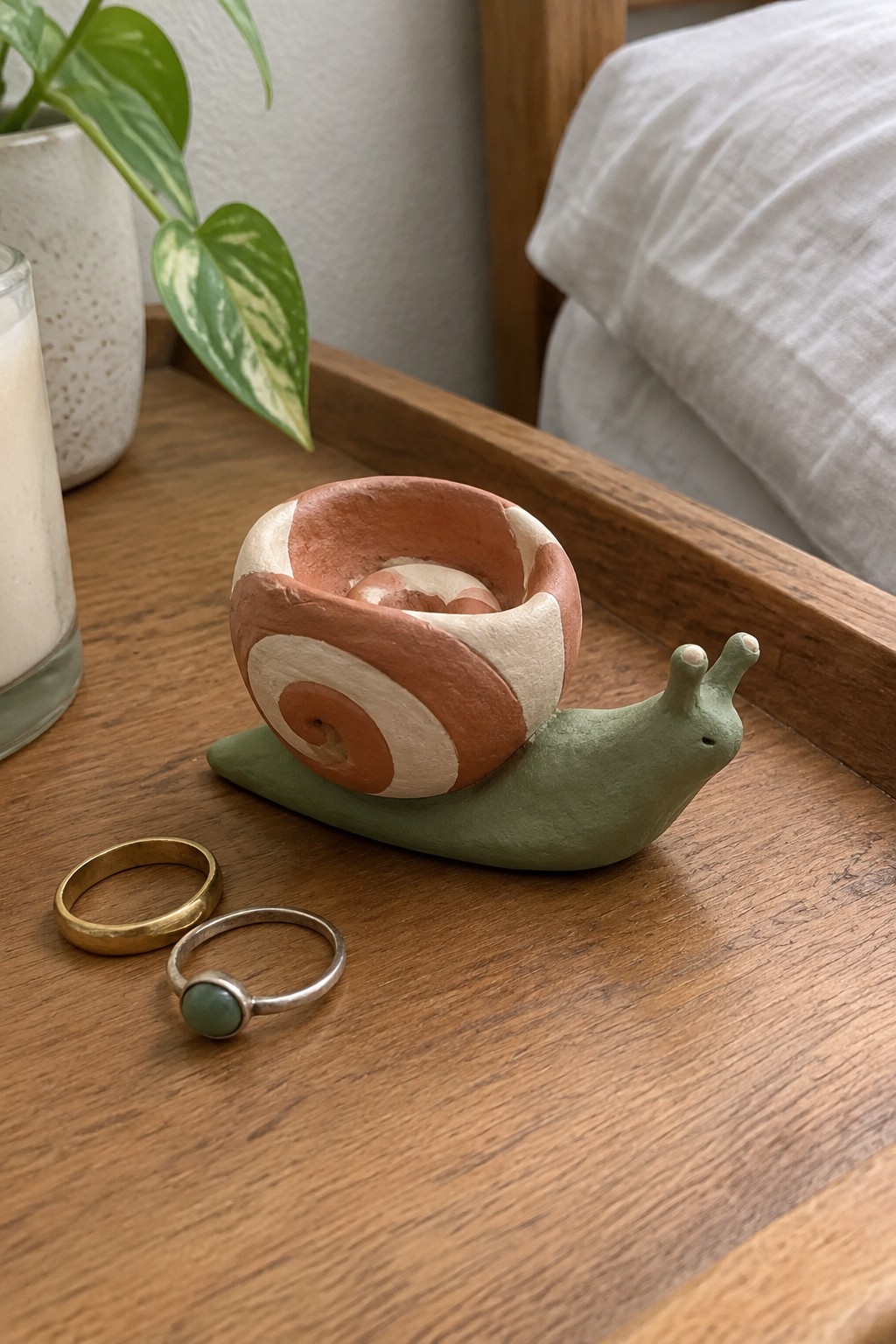
A hand-sculpted snail ring holder pairs a low green body with a rounded, terracotta-and-cream shell that forms a small decorative cup. Its curled shell motif and raised eye stalks make the animal shape easy to recognize, while the contrasting colors give the miniature sculpture clear visual definition.
The shell cup can hold rings when they are not being worn, so the design combines a small decorative sculpture with a practical jewelry-keeping spot. You could simplify the shape by using a plain two-color spiral shell, or change the palette and scale to make a larger bedside holder or a smaller collectible animal.
Owl Clay Clip Decoration

A hand-sculpted owl sits atop a metal clip, turning a familiar bird figurine into a decorative accessory. Its cream-colored face and layered chest feathers stand out against the muted brown body, while the round eyes and small beak give the miniature sculpture clear, readable features.
The clip makes the owl easy to display on papers or a notebook, and the same concept could be adapted with other small animal figures. For a simpler version, use fewer feather marks and larger, flatter shapes; changing the body colors or adding another bird design would also make a coordinated set.
Tabby Cat Draped Over a Felt Plant Pot

A hand-sculpted clay cat figurine perches on the rim of a soft plant pot, with its front paws hanging over the edge and its striped tail curling behind it. The tan body and dark painted markings make the cat easy to recognize, while the draped pose gives this miniature animal craft a clear interaction with its setting.
The pose is the main detail to adapt: a simpler version could use a rounded body, two dangling paws, and a curled tail, with just a few painted stripes for a tabby pattern. Make the cat in different colors or scale it to suit another decorative holder, or keep it as a small standalone figurine for a playful handmade gift.
Tiny Mouse Tucked Inside a Clay Teacup

A hand-sculpted mouse curled inside a miniature teacup turns a familiar cup shape into a small animal sculpture. The rounded mouse, pink ears, and tail stand out against the cream cup, while its painted floral details tie the two parts together. This is a decorative clay miniature rather than a usable drinking cup.
The contrast between the simple cup and the mouse’s rounded body makes the idea easy to adapt: simplify the face and flowers, or change the animal to a sleeping cat or curled-up hedgehog. A smaller version could become a shelf decoration, while a larger cup-and-animal scene would make a distinctive handmade gift. The cup’s rim and handle also give the miniature a clear frame, which helps the animal remain the focus.
Rabbit, Whale, and Fox Clay Wall Decorations

These small, hand-sculpted clay plaques pair raised animal faces and figures with simple painted details. A rabbit, a whale, and a fox each have rounded forms and muted colors, while tiny flowers, leaves, and water lines fill out the square backgrounds. Together, they make a coordinated set of decorative animal wall pieces.
The square plaque format gives each animal room to stand out, and the raised shapes add dimension without needing a complicated scene. You could adapt the idea with different animals, background colors, or small motifs, or simplify it to one sculpted animal with just a few painted accents. Make them as a matching set or as individual decorations for a small wall display.
Tiny Fox Clay Hanging Charms

These small hand-sculpted foxes are decorative hanging charms, with rounded bodies, pointed ears, closed eyes, and cream-colored face and belly details. Rusty orange clay and painted dark green sprigs give each miniature animal a distinct woodland look without making the design too busy.
The simple body shape makes the idea adaptable: keep the fox features and change the painted sprig to flowers, leaves, or berries, or use different colors for a set of animal charms. Their small scale suits a hanging decoration or handmade gift, and a beginner could simplify the painted details while keeping the fox’s recognizable ears, muzzle, and tail markings.
Hanging Clay Animal Mobile
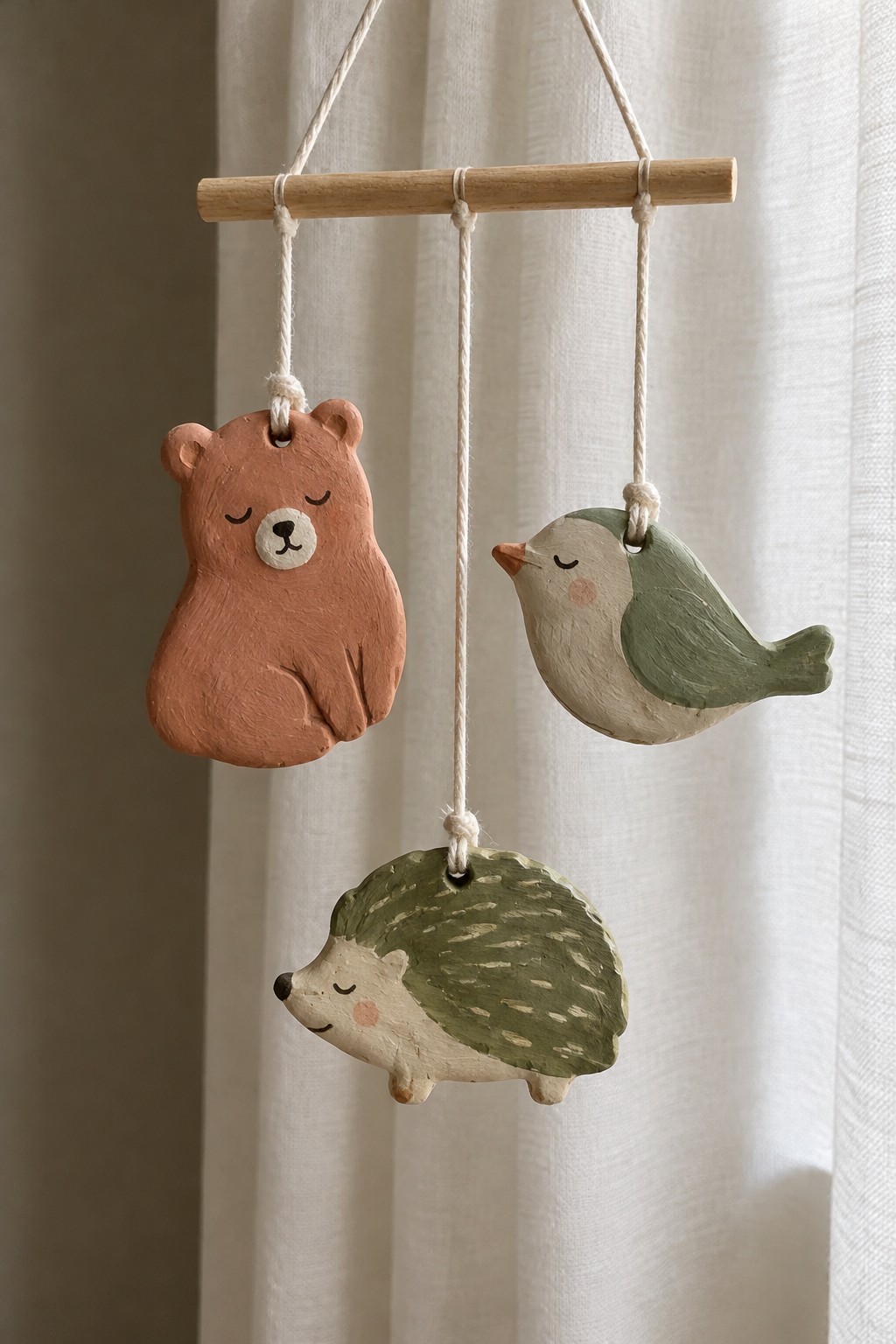
A hand-sculpted clay mobile pairs a seated bear, a green-backed bird, and a hedgehog on separate hanging cords. Their rounded silhouettes, muted painted colors, and simple facial details give the animal ornaments a consistent look while keeping each shape distinct.
The animal forms can be simplified into flat, sturdy silhouettes with painted features, then varied with different woodland creatures or color palettes. Make the pieces smaller for a compact mobile or larger as individual hanging ornaments, and keep the animal arrangement as the central idea when adapting the project.
Clay Fox Rowing a Miniature Boat

A hand-sculpted fox sits in a small clay rowboat, holding a paddle across its lap, with its curled tail tucked behind it. The orange, cream, and muted blue-green shapes make this a compact animal figurine with a clear little story, rather than a purely standalone character.
The boat and paddle give the fox a distinctive pose, while the simple face and rounded body keep the design readable at miniature scale. You could simplify it by shaping the fox as a seated figure and using a basic boat outline, or adapt the scene with another small animal, different boat colors, and a new accessory; it would make a charming decorative miniature or handmade gift.
Frequently Asked Questions
You’ll need polymer clay or air-dry clay, a smooth work surface, a craft knife or clay tool, and something fine-tipped for adding details, such as a toothpick. A small rolling pin or smooth glass can help flatten clay evenly. For polymer clay, follow the package instructions for baking; for air-dry clay, allow plenty of time for it to dry. Optional supplies include acrylic paint, a small brush, and a glaze made for your type of clay.
Polymer clay is often a good choice for small, detailed figures because it stays workable until baked and holds its shape during curing. Air-dry clay is convenient if you don’t have an oven, though it may be more fragile and can shrink as it dries. Check that any paint or finish you use is compatible with your clay, and avoid using food-preparation tools for crafting.
Start with simple shapes, then add only a few defining details. Small ears, a tail, eye dots, or a contrasting patch can make an animal recognizable without crowding the design. Use a toothpick or fine tool for impressions, and keep details slightly larger than you think they need to be, since tiny features can disappear when viewed from a distance. Looking at reference photos can also help you capture an animal’s distinctive shape.
Make delicate parts, such as legs, tails, and ears, thick enough to support the figure. Attach pieces by gently pressing them together and smoothing the join, or use a tiny amount of liquid clay if the clay manufacturer recommends it. Follow the proper baking or drying instructions, and let finished pieces cool or cure fully before handling. For display, keep them away from edges, pets, and places where they might be knocked over.
Use them as desk or shelf decorations, dollhouse accessories, ornaments, paperweights, or small handmade gifts. They can also be arranged into a themed scene, such as a woodland, farm, or underwater display. If you plan to attach a figure to jewelry, a magnet, or another object, choose a suitable adhesive and test the connection carefully. Keep tiny creations away from young children and pets, since they may pose a choking hazard.
